The Enduring Magic of Pencil Artwork and Pencil Drawing
There’s a certain undeniable magic to pencil artwork pencil drawing. It’s an art form that has captivated hearts and minds for centuries, a testament to the power of simple graphite and paper to conjure worlds, emotions, and breathtaking realism. From the tentative scribbles of a child to the masterful strokes of a seasoned artist, the pencil is an incredibly versatile and accessible tool, allowing us to translate our inner visions into tangible creations. This article will delve deep into the captivating world of pencil artwork pencil drawing, exploring its techniques, its appeal, and why it continues to be a beloved medium for artists of all levels.
Why Pencil Artwork Pencil Drawing Remains a Timeless Treasure
In an age saturated with digital tools and complex software, the humble pencil retains its extraordinary allure. Why? The answer lies in its inherent simplicity, its tactile nature, and the direct connection it fosters between the artist and their creation. Pencil artwork pencil drawing offers an unparalleled sense of control and nuance. Every line, every shade, every subtle gradation is a direct result of the artist’s hand, their intention, and their skill. This intimate process creates a unique intimacy with the artwork, a feeling that is profoundly satisfying for both the creator and the viewer.
Furthermore, the accessibility of pencils and paper makes pencil artwork pencil drawing a fantastic entry point into the art world. You don’t need expensive equipment or specialized training to begin. A simple pencil and a sketchbook can unlock a universe of creative possibilities, allowing anyone to explore their artistic potential and experience the joy of bringing their ideas to life.
The Fundamental Building Blocks of Pencil Artwork Pencil Drawing
Before we dive into advanced techniques, let’s appreciate the foundational elements that make pencil artwork pencil drawing so effective.
Understanding Your Tools: The Pencil Palette
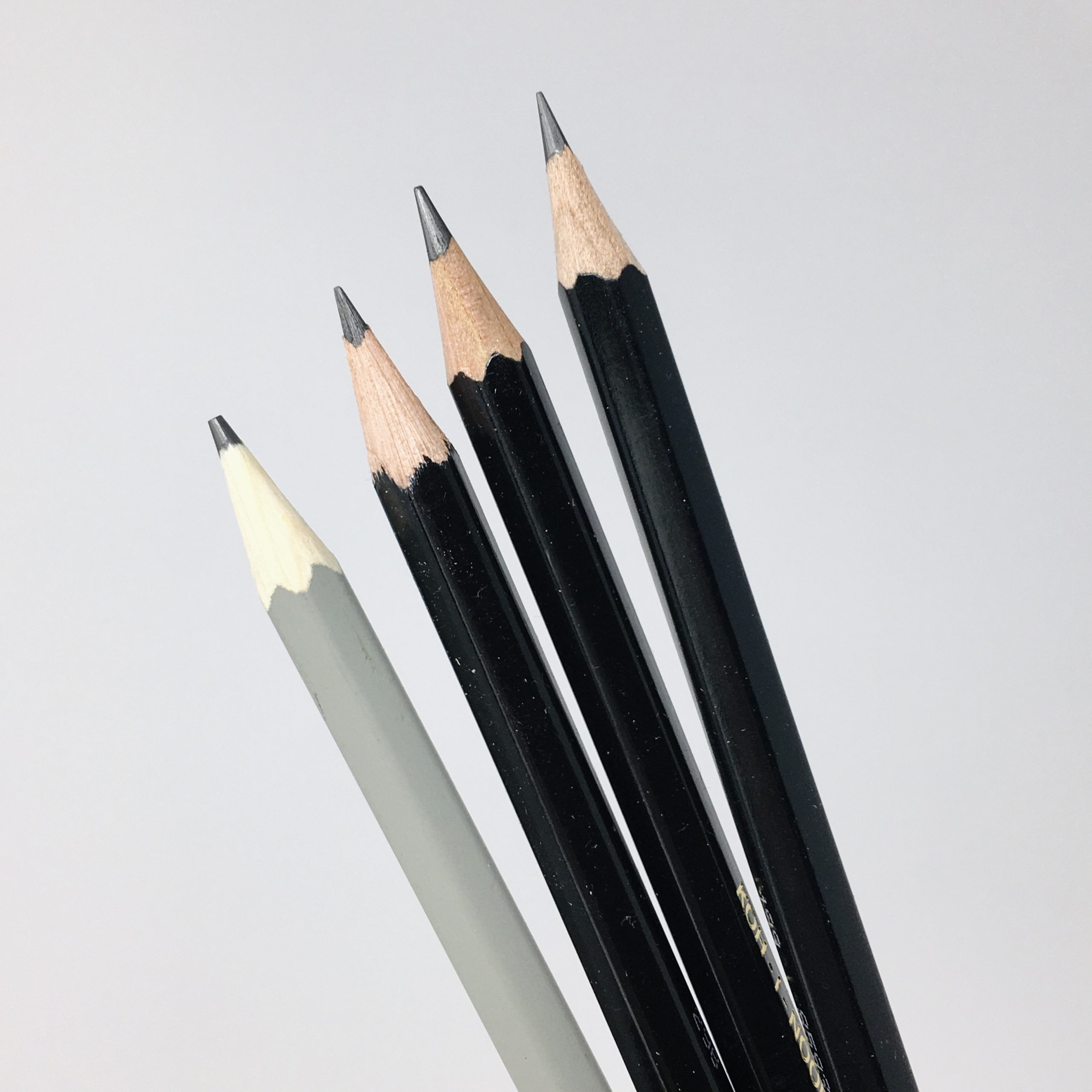
The beauty of pencil artwork pencil drawing lies in the subtle differences each pencil offers. Pencils are graded by hardness and softness, indicated by letters and numbers.
- H Pencils (Hard): These pencils have a harder lead, producing lighter, finer lines. They are excellent for sketching, outlining, and creating sharp details. Think of them as your precision tools. Examples include 2H, 4H, and even 6H for very light, delicate work.
- B Pencils (Black/Soft): These pencils have a softer lead, producing darker, richer tones. They are perfect for shading, creating depth, and achieving smooth transitions. The softer the lead, the darker the mark. Examples range from B (a good all-rounder) to 4B, 6B, and even 9B for deep, velvety blacks.
- HB Pencil: This is the workhorse of the pencil world, offering a balance between hardness and softness. It’s a great starting point for beginners and a reliable choice for many drawing tasks.
The Canvas: Paper Matters
The surface you choose for your pencil artwork pencil drawing can significantly impact the final outcome.
- Smooth Paper: Ideal for detailed work, fine lines, and achieving smooth shading. It offers less resistance, allowing the pencil to glide effortlessly.
- Textured Paper (or Tooth): This paper has a rougher surface, which "grabs" the graphite, allowing for more layered shading and a richer texture. It’s excellent for expressive drawings and achieving a more painterly feel.
- Bristol Board: A thick, smooth paper often used for finished drawings and illustrations due to its durability and ability to withstand multiple erasures and layering.
Essential Accessories for Pencil Artwork Pencil Drawing
While the pencil and paper are paramount, a few other tools can elevate your pencil artwork pencil drawing experience.
- Erasers: Beyond the basic pink eraser, consider a kneaded eraser. This pliable eraser can be molded into different shapes for precise lifting of graphite and can also be used to lighten areas without damaging the paper. A stick eraser is also useful for fine detail work.
- Blending Tools: Tortillons and blending stumps (rolled paper sticks) are invaluable for smoothly blending graphite, creating soft transitions, and achieving atmospheric effects in your pencil artwork pencil drawing. You can also use your fingers, cotton swabs, or even a soft cloth, though be mindful of oils from your skin.
- Sharpeners: A good quality sharpener is crucial for maintaining sharp points for detailed work and for creating a good range of tonal values in your pencil artwork pencil drawing.
Mastering the Art of Pencil Drawing: Techniques to Elevate Your Work
The true magic of pencil artwork pencil drawing lies in the skillful application of various techniques. Here are some fundamental techniques that will transform your drawings.
H4: Line Weight and Control
The thickness and darkness of your lines are crucial for conveying form, depth, and texture.
- Varying Line Weight: Don’t be afraid to use a range of line weights within a single drawing. Thicker, darker lines can suggest areas closer to the viewer or in shadow, while thinner, lighter lines can indicate distance or areas of highlight. This variation adds visual interest and realism to your pencil artwork pencil drawing.
- Confident Strokes: Practice making clean, decisive lines. Hesitant lines can make a drawing look uncertain.
H4: Shading Techniques for Depth and Form
Shading is where pencil artwork pencil drawing truly comes alive, transforming flat shapes into three-dimensional forms.
- Hatching: Creating parallel lines to build up tone. The closer the lines, the darker the shade.
- Cross-Hatching: Layering hatching lines in different directions to create darker tones and more complex textures. This is a cornerstone of traditional pencil artwork pencil drawing.
- Stippling: Using dots to create tone. The density of the dots determines the darkness of the shade. This technique requires immense patience but can produce incredibly subtle and nuanced effects.
- Scumbling: Using random, scribbled marks to build up tone and texture. This can create a more organic and energetic feel in your pencil artwork pencil drawing.
- Smooth Blending: Using blending tools or your fingers to create seamless transitions between light and shadow. This is essential for rendering smooth surfaces like skin or polished metal in your pencil artwork pencil drawing.
H4: Capturing Light and Shadow (Chiaroscuro)
The interplay of light and shadow is fundamental to creating a sense of volume and drama in pencil artwork pencil drawing.
- Identifying Light Sources: Always be aware of where your light is coming from. This will dictate the placement and intensity of your highlights and shadows.
- Core Shadows and Cast Shadows: Understand the difference between the shadow on the object itself (core shadow) and the shadow the object casts on another surface (cast shadow).
- Reflected Light: Don’t forget that even in shadow, there’s often subtle light bouncing off surrounding surfaces. Including this reflected light adds realism and depth to your pencil artwork pencil drawing.
H4: Texture and Detail
Bringing your subjects to life often comes down to rendering their unique textures.
- Observational Skills: Study the textures of your subject matter closely. How does fur differ from fabric? How does rough bark differ from smooth stone?
- Applying Appropriate Techniques: Use hatching, cross-hatching, stippling, or scumbling strategically to mimic different textures in your pencil artwork pencil drawing. For example, short, choppy strokes might represent grass, while long, flowing lines could depict hair.
The Diverse World of Pencil Artwork Pencil Drawing Subjects
The beauty of pencil artwork pencil drawing is its versatility across a vast array of subjects.
H4: Portraits: Capturing the Human Spirit
Pencil artwork pencil drawing is exceptionally well-suited for portraiture. The ability to capture subtle nuances of expression, the delicate play of light on skin, and the intricate details of hair makes it a powerful medium for bringing individuals to life on paper. From the soulful eyes of a loved one to the characterful lines of an elder, pencil portraits offer an intimate and enduring connection.
H4: Landscapes: Bringing the Outdoors In
The vastness of nature can be beautifully translated through pencil artwork pencil drawing. From the sweeping vistas of mountains to the intricate details of a single leaf, artists can evoke the atmosphere, light, and textures of the natural world. Capturing the changing seasons, the dappled sunlight through trees, or the dramatic play of clouds across the sky are all within the reach of skilled pencil artists.
H4: Still Life: The Art of Observation
Still life arrangements offer a fantastic opportunity to hone observational skills and practice rendering form, light, and texture. The quiet contemplation of everyday objects – fruits, flowers, pottery – allows artists to explore the subtle beauty and inherent character of these items through pencil artwork pencil drawing.
H4: Animals: Capturing Movement and Life
The dynamic energy and unique textures of animals make them compelling subjects for pencil artwork pencil drawing. Rendering the sleekness of a cat’s fur, the power of a horse’s musculature, or the delicate feathers of a bird requires keen observation and skillful application of shading and linework.
H4: Fantasy and Imagination: Worlds Unbound
Beyond realism, pencil artwork pencil drawing is a powerful tool for bringing imaginative worlds to life. From fantastical creatures to surreal landscapes, the uninhibited nature of pencil allows artists to explore their wildest dreams and create truly unique and captivating pieces.
The Psychological and Emotional Benefits of Pencil Artwork Pencil Drawing
Beyond the technical aspects, engaging with pencil artwork pencil drawing offers profound psychological and emotional benefits.
H4: Mindfulness and Stress Reduction
The focused nature of drawing can be incredibly meditative. The act of concentrating on lines, shades, and forms can quiet the mind, reduce stress, and promote a sense of calm and well-being. It’s a wonderful way to disconnect from the demands of daily life and immerse yourself in a creative flow state.
H4: Enhancing Observation Skills
As you engage with pencil artwork pencil drawing, your ability to observe the world around you sharpens. You begin to notice details you might have previously overlooked – the subtle variations in color, the way light falls on different surfaces, the intricate patterns in nature. This heightened awareness can enrich your everyday experiences.
H4: Boosting Confidence and Self-Expression
Successfully completing a drawing, no matter how simple, provides a tangible sense of accomplishment. As your skills develop through practice with pencil artwork pencil drawing, your confidence grows, empowering you to tackle more challenging projects and express yourself more freely.
Getting Started with Pencil Artwork Pencil Drawing: Your Creative Journey Begins Now!
If you’re inspired to embark on your own pencil artwork pencil drawing adventure, here are a few tips to get you started:
- Start Simple: Don’t aim for a masterpiece on your first try. Begin with basic shapes, simple objects, or even just practicing different shading techniques.
- Observe and Copy (Initially): Study the work of artists you admire. Try to replicate their techniques to understand how they achieve certain effects. This is a valuable learning process for pencil artwork pencil drawing.
- Practice Regularly: Like any skill, consistent practice is key. Even short, regular drawing sessions will yield significant improvements in your pencil artwork pencil drawing.
- Don’t Be Afraid to Make Mistakes: Erasers are your friends! Mistakes are learning opportunities. Embrace them as part of the creative process in pencil artwork pencil drawing.
- Find Inspiration Everywhere: Look at the world around you. Photograph subjects that interest you. Keep a sketchbook handy to capture ideas and observations.
Conclusion: The Enduring Allure of Pencil Artwork Pencil Drawing
Pencil artwork pencil drawing is more than just a hobby; it’s a powerful form of communication, a therapeutic outlet, and a gateway to unlocking your creative potential. The simple elegance of graphite on paper offers an unparalleled ability to capture the world, both real and imagined, with depth, emotion, and breathtaking detail. So, grab a pencil, find some paper, and let your imagination soar. The journey of pencil artwork pencil drawing is a rewarding one, filled with discovery, growth, and the pure joy of creation.
Frequently Asked Questions About Pencil Artwork Pencil Drawing
Q1: What is the best type of pencil for beginners in pencil artwork pencil drawing?
A1: An HB pencil is an excellent starting point for beginners. It offers a good balance of hardness and softness, making it versatile for sketching and light shading in your pencil artwork pencil drawing.
Q2: How can I improve my shading techniques in pencil artwork pencil drawing?
A2: Practice is key! Experiment with different shading methods like hatching, cross-hatching, and stippling. Observe how light and shadow fall on objects and try to replicate them. Using blending tools can also help create smoother transitions in your pencil artwork pencil drawing.
Q3: What is the difference between H and B pencils in pencil artwork pencil drawing?
A3: H pencils have harder leads and produce lighter lines, ideal for fine details and outlines. B pencils have softer leads and produce darker tones, perfect for shading and creating depth in your pencil artwork pencil drawing.
Q4: How important is the type of paper for pencil artwork pencil drawing?
A4: The paper type can significantly impact your drawing. Smooth paper is good for detailed work, while textured paper (with "tooth") allows for richer layering of graphite and is excellent for expressive pencil artwork pencil drawing.
Q5: Can I sell my pencil artwork pencil drawing?
A5: Absolutely! Many artists successfully sell their pencil artwork pencil drawing through online platforms, galleries, and commissions. The market for unique, hand-drawn art is strong.