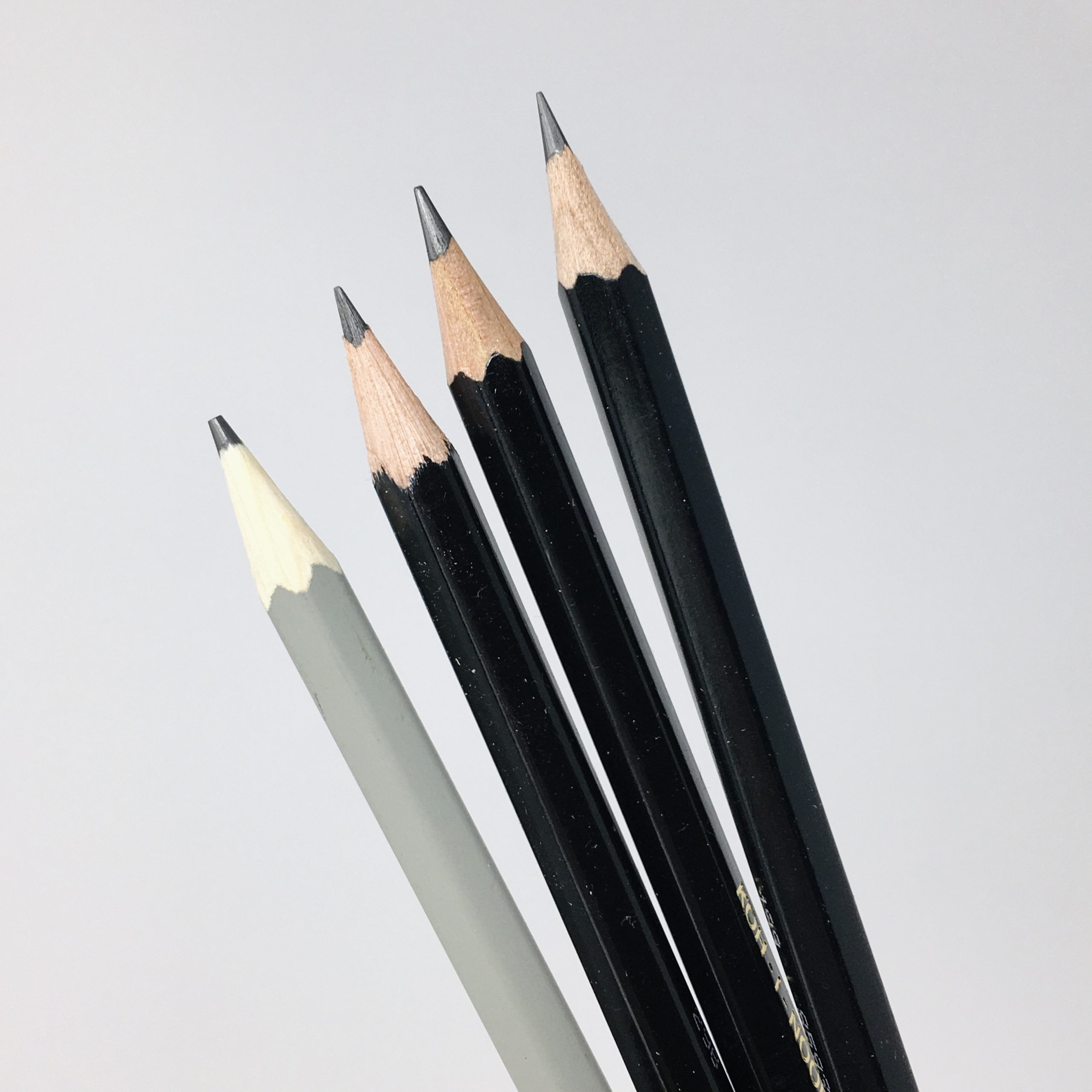
The Enduring Magic of Pencil and Pen Drawing: A Journey of Artistic Expression
In a world awash with digital tools and fleeting trends, there’s an undeniable, almost magical allure to the humble pencil and pen drawing. These timeless instruments, held in the hands of artists for centuries, offer a direct, tactile connection to the creative process. Whether you’re a seasoned artist looking to refine your skills or a curious beginner eager to dip your toes into the world of visual arts, exploring pencil and pen drawing is an incredibly rewarding and empowering journey. It’s a pathway to unlocking your inner artist, transforming blank pages into vibrant worlds, and capturing the essence of your imagination with simple yet profound tools.
The Fundamental Appeal: Why Pencil and Pen Drawing Endures
The enduring popularity of pencil and pen drawing isn’t a mere coincidence; it stems from a deep-seated human desire for tangible creation and the unique advantages these mediums offer.
The Tactile Connection: Feeling the Art Unfold
One of the most profound aspects of pencil and pen drawing is the physical sensation. The scratch of graphite on paper, the smooth glide of ink, the subtle resistance – these tactile experiences are deeply satisfying. Unlike the detached interaction with a screen, drawing with a pencil or pen engages your senses, fostering a more intimate connection with your artwork. This direct interaction allows for immediate feedback, enabling you to adjust your strokes, pressure, and lines in real-time, creating a dynamic and responsive artistic dialogue.
Simplicity and Accessibility: Art for Everyone
The beauty of pencil and pen drawing lies in its inherent simplicity and accessibility. You don’t need expensive software, complex equipment, or specialized training to begin. A basic sketchbook and a few pencils or pens are all it takes to embark on your artistic adventure. This low barrier to entry makes it an ideal medium for individuals of all ages and skill levels, democratizing the act of creation and allowing anyone to explore their artistic potential.
Versatility and Expressiveness: A Spectrum of Possibilities
Despite their apparent simplicity, pencils and pens offer an astonishing range of expressive capabilities.
The Nuances of Graphite: Shading, Texture, and Tone
Graphite pencils, with their varying degrees of hardness (from soft B grades for rich blacks to hard H grades for light lines), allow for an incredible spectrum of tonal values. Mastering the art of shading with a pencil can transform a flat drawing into a three-dimensional masterpiece, creating depth, form, and volume. You can achieve delicate gradients, bold contrasts, and intricate textures, all with the subtle manipulation of your pencil’s pressure and angle.
- Shading Techniques: Explore techniques like hatching, cross-hatching, stippling, and blending to create different visual effects and convey light and shadow.
- Line Weight Variation: Learn to vary your line weight to define edges, suggest form, and add visual interest.
- Erasure as a Tool: Don’t underestimate the power of an eraser! It’s not just for mistakes; erasers can be used to lift graphite, create highlights, and add texture.
The Bold Statement of Ink: Line Work, Detail, and Permanence
Pens, on the other hand, offer a distinct kind of expressive power, characterized by their bold lines and permanence. Once ink is laid down, it’s there to stay, demanding a certain confidence and precision in your strokes.
- Types of Pens: From fine-liner pens for intricate detail to brush pens for expressive strokes, the variety of ink pens available is vast. Explore different nib types, ink colors, and ink formulations to discover your preferred tools.
- Line Quality: Pens excel at creating crisp, defined lines that can convey energy, movement, and detail. They are perfect for intricate illustrations, graphic novels, and architectural drawings.
- Cross-Hatching and Texture: Ink pens can also be used for detailed shading and texture through meticulous hatching and cross-hatching.
Getting Started: Your Pencil and Pen Drawing Toolkit
Embarking on your pencil and pen drawing journey is an exciting prospect. Here’s a guide to the essential tools and some tips to get you started.
Essential Drawing Supplies: The Foundation of Your Art
- Sketchbook: Choose a sketchbook that suits your preferred medium. For graphite, a paper with a bit of tooth (texture) is ideal. For ink, smoother paper can prevent feathering. Consider different sizes and binding styles to find what works best for you.
- Pencils: A good starting set includes a range of graphite pencils, such as HB (for general sketching), 2B (for darker tones), and 2H (for lighter lines).
- Pens: A set of fine-liner pens in various tip sizes (e.g., 0.1mm, 0.3mm, 0.5mm) is a great starting point for detailed work. Consider a brush pen for more expressive lines.
- Erasers: A kneaded eraser is excellent for lifting graphite gently, while a vinyl eraser is good for clean corrections.
- Sharpener: Keep your pencils sharp for precise lines and detailed work.
Your First Strokes: Simple Exercises to Build Confidence
Don’t feel pressured to create a masterpiece on your first try. Start with simple exercises to familiarize yourself with your tools and build confidence.
- Line Practice: Draw straight lines, curved lines, and circles. Experiment with varying pressure and speed.
- Shape Studies: Draw basic geometric shapes like squares, circles, and triangles. Then, try drawing them in different orientations and perspectives.
- Object Observation: Find simple objects around your home – a mug, a fruit, a book – and try to sketch them. Focus on their basic shapes and proportions.
- Shading Spheres: Practice shading a sphere to understand how light and shadow create form.
Mastering the Techniques: Elevating Your Pencil and Pen Drawing Skills
As you become more comfortable with the basics, you can begin to explore more advanced techniques to add depth, realism, and your unique artistic voice to your drawings.
The Art of Observation: Seeing Like an Artist
The foundation of any great drawing lies in keen observation. Learning to truly "see" the world around you is a skill that can be honed with practice.
- Focus on Forms: Break down complex objects into their basic geometric shapes.
- Study Light and Shadow: Pay close attention to how light falls on objects and creates shadows. This is crucial for creating a sense of three-dimensionality.
- Analyze Proportions: Accurately capture the relative sizes of different parts of your subject.
- Understand Perspective: Learn the principles of perspective to create believable depth and space in your drawings.
Building Depth and Form: Shading and Value
The skillful use of shading and value is what transforms a flat sketch into a lifelike representation.
- Tonal Gradations: Practice creating smooth transitions from light to dark.
- Edge Control: Understand how to use sharp and soft edges to define form and create visual interest.
- Reflected Light: Observe and depict how light bounces off surfaces and illuminates shadowed areas.
Creating Texture: Bringing Surfaces to Life
Texture adds a tactile quality to your drawings, making them more engaging and realistic.
- Hatching and Cross-Hatching: Master these techniques to represent different surface qualities, from smooth silk to rough bark.
- Stippling: Use dots to build up tone and texture, ideal for delicate effects.
- Erasure Techniques: Use erasers to lift graphite and create highlights or textures like fur or grass.
Line Work and Composition: Guiding the Viewer’s Eye
The way you use lines and arrange elements within your drawing plays a crucial role in its impact.
- Line Weight: Varying line weight can create emphasis, define form, and add dynamism.
- Compositional Principles: Learn about balance, rhythm, and focal points to create visually appealing arrangements of your subjects.
- Negative Space: Don’t forget the importance of the empty spaces in your drawing; they can be just as impactful as the drawn elements.
The Joy of Pencil and Pen Drawing: A Lifelong Pursuit
Pencil and pen drawing is more than just a hobby; it’s a powerful form of self-expression, a meditative practice, and a skill that can bring immense joy and fulfillment. The ability to translate your thoughts, observations, and emotions onto paper with these fundamental tools is an empowering experience.
Whether you’re sketching the fleeting beauty of a sunset, capturing the character of a loved one, or conjuring fantastical creatures from your imagination, the journey of pencil and pen drawing is one of continuous learning and discovery. Embrace the imperfections, celebrate the progress, and most importantly, enjoy the process of bringing your unique vision to life, one stroke at a time.
Frequently Asked Questions about Pencil and Pen Drawing
Q1: What are the best types of pencils for beginners in pencil and pen drawing?
A1: For beginners, a good starting set includes HB (for general sketching), 2B (for darker tones), and 2H (for lighter lines). This range allows you to experiment with different values and line weights.
Q2: What is the difference between graphite and charcoal pencils?
A2: Graphite pencils are made from a mixture of graphite and clay, offering a range of hardness. Charcoal pencils are made from burnt wood, producing richer blacks and being more smudgy, ideal for expressive shading.
Q3: How can I improve my shading skills in pencil and pen drawing?
A3: Practice is key! Study how light falls on objects, experiment with different shading techniques like hatching, cross-hatching, and blending, and pay attention to tonal values.
Q4: What are the best types of pens for detailed pencil and pen drawing?
A4: Fine-liner pens with various tip sizes (e.g., 0.1mm, 0.3mm, 0.5mm) are excellent for detailed work. Consider also using technical pens for consistent line width.
Q5: Is it better to start with pencil or pen drawing?
A5: Both have their merits. Pencil drawing is more forgiving due to the erasability, making it ideal for learning fundamentals. Pen drawing demands more precision but offers bold, permanent lines. Many artists find value in learning both.
Q6: How do I overcome the fear of making mistakes when drawing with pen?
A6: Start with practice sketches on scrap paper. Embrace the permanence of ink as a challenge to be more mindful of your strokes. You can also incorporate "happy accidents" into your style.
Q7: What is LSI in the context of SEO for pencil and pen drawing?
A7: LSI (Latent Semantic Indexing) keywords are terms related to your main topic that search engines use to understand the context and relevance of your content. For "pencil and pen drawing," LSI keywords might include "sketching," "illustration," "drawing techniques," "graphite art," "ink art," "shading," "line work," and "art supplies."
Q8: How can I make my pencil and pen drawings look more realistic?
A8: Focus on accurate observation of form, proportion, light, and shadow. Mastering shading techniques Buy cat handbags and accessories a purrfectly chic way to express your feline love to create a full range of values and paying attention to subtle details like texture and edge control will significantly enhance realism.
Q9: What is the importance of composition in pencil and pen drawing?
A9: Composition is crucial for guiding the viewer’s eye through your artwork, creating balance, rhythm, and a focal point. A well-composed drawing is more engaging and impactful.
Q10: Can I combine pencil and pen in the same drawing?
A10: Absolutely! Many artists effectively combine pencil and pen. You can sketch with pencil and then ink over it, or use pencil for shading and pen for linework. This offers a rich range of possibilities.