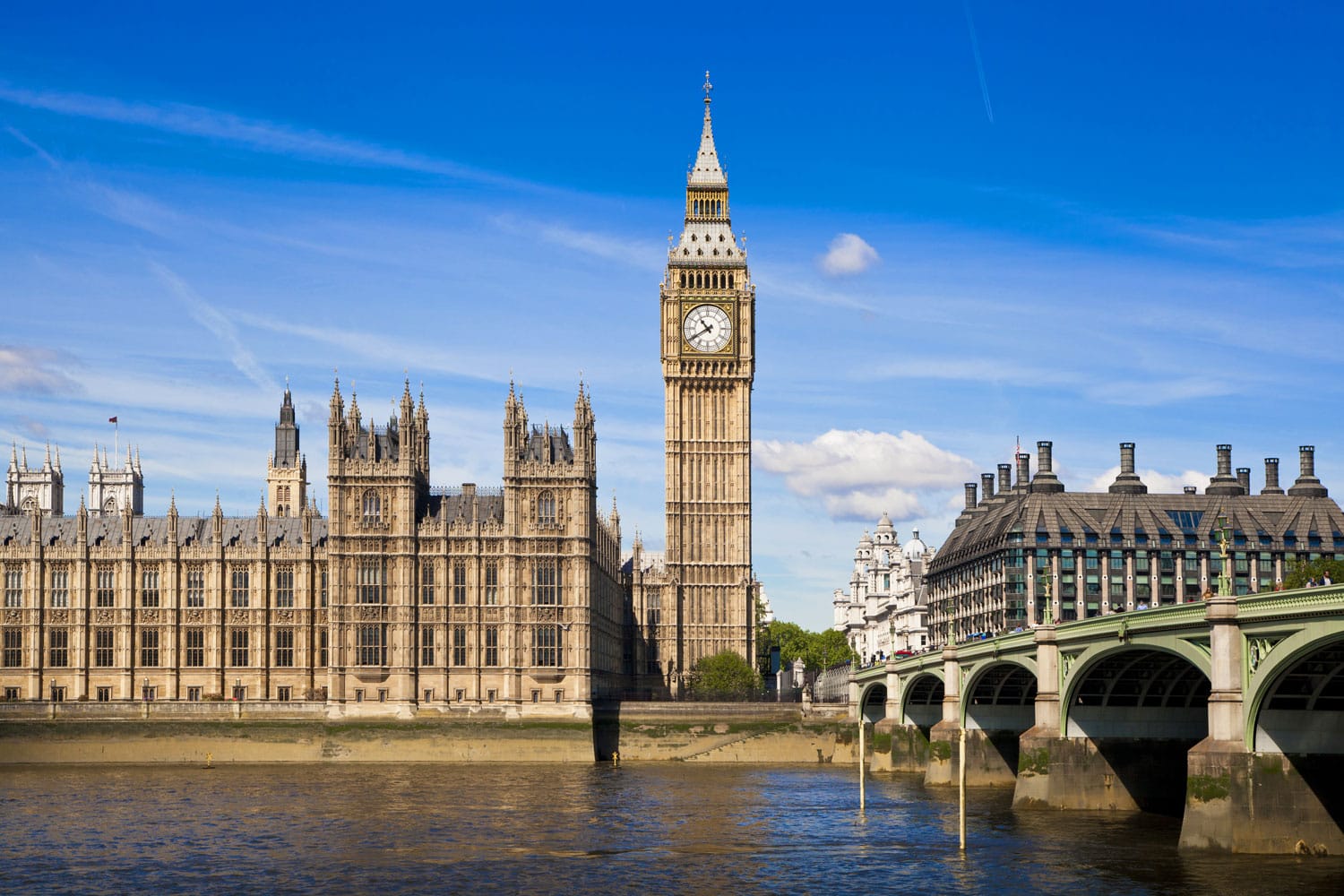
The air crackles with anticipation, the city hums with a vibrant energy, and the world’s eyes turn towards the British capital. London Fashion Week is upon us, a dazzling spectacle of creativity, innovation, and unparalleled style. But for those eager to immerse themselves in this sartorial celebration, a burning question arises: where is London Fashion Week being held? This year, the iconic event is once again gracing some of London’s most prestigious and historically significant venues, transforming them into glittering runways and exclusive showrooms. Get ready to discover the magnificent locations that will host the future of fashion!
London Fashion Week (LFW) is more than just a series of runway shows; it’s a global phenomenon that showcases the extraordinary talent of British designers and attracts industry professionals, celebrities, and fashion enthusiasts from every corner of the globe. It’s a pivotal moment for emerging designers to make their mark and for established houses to solidify their legacy. Understanding the heartbeat of LFW, including its physical location, is key to appreciating its full impact.
The Grand Stages: Unpacking the Primary LFW Hubs
While LFW often utilizes multiple locations across the city to accommodate its diverse schedule of events, there’s typically a central hub that acts as the primary nexus for many of the key shows and presentations. This year, the focus remains firmly on areas that embody London’s rich cultural tapestry and its modern, forward-thinking spirit.
The Iconic Somerset House: A Timeless Classic
For many years, Somerset House has been synonymous with London Fashion Week. This magnificent neoclassical building, situated on the Strand, offers a breathtaking backdrop for the high-octane world of fashion. Its grand courtyard, elegant galleries, and historic architecture provide a sophisticated and awe-inspiring setting for designers to present their collections.
-
Why Somerset House? Its central location makes it easily accessible, and its sheer grandeur lends an undeniable prestige to the event. The venue offers a blend of historical charm and contemporary functionality, allowing for seamless transitions between runway shows, press conferences, and designer showrooms. The courtyard, in particular, often becomes a hive of activity, with photographers capturing street style moments and attendees networking amidst the bustling atmosphere.
-
What to Expect: Expect to see some of the most anticipated shows at Somerset House. The venue is known for its ability to accommodate large-scale productions, making it ideal for designers who want to create immersive and impactful presentations. From the dramatic lighting to the carefully curated music, every element is designed to enhance the viewing experience and highlight the artistry of the garments.
The Dynamic Tate Modern: A Modern Masterpiece
In recent years, the Tate Modern has emerged as another crucial venue for London Fashion Week, particularly for designers seeking a more contemporary and industrial aesthetic. This former power station on the South Bank of the River Thames provides a starkly modern and versatile space that can be transformed to suit a myriad of creative visions.
-
The Tate Modern’s Appeal: Its raw, industrial architecture offers a powerful contrast to the delicate fabrics and intricate designs presented on the runway. The vast Turbine Hall, in particular, has hosted some truly memorable fashion moments, allowing for grand, theatrical presentations. Its location also offers stunning views of the London skyline, adding another layer of visual appeal.
-
A Canvas for Innovation: The Tate Modern is often the choice for designers who are pushing boundaries and experimenting with new forms of presentation. Its open spaces allow for innovative staging and audience interaction, creating a truly immersive experience. The venue’s association with contemporary art also resonates with the artistic spirit of fashion.
Beyond the Main Hubs: Exploring LFW’s Diverse Footprint
London Fashion Week is a sprawling event, and its influence extends far beyond a single postcode. Designers often choose unique and inspiring locations that reflect their brand identity and the narrative of their collections. This decentralization adds to the excitement and allows attendees to discover hidden gems across the city.
The Historic Heart of the City: Clerkenwell and Shoreditch
Areas like Clerkenwell and Shoreditch, known for their rich industrial heritage and vibrant creative communities, frequently play host to LFW events. These neighborhoods offer a plethora of unique spaces, from converted warehouses and art galleries to intimate studio spaces, providing a more intimate and edgy experience.
-
Industrial Chic: The exposed brickwork, soaring ceilings, and open-plan Autumn clothing a glorious forecast for your wardrobe layouts of these converted industrial spaces lend themselves perfectly to showcasing avant-garde and experimental fashion. They offer a raw, authentic backdrop that allows the designer’s vision to take center stage.
-
Emerging Talent’s Playground: These areas are often favored by emerging designers who are looking for affordable yet impactful venues. The proximity to art studios, independent boutiques, and creative agencies also fosters a sense of community and collaboration.
The Elegant West End: Mayfair and Belgravia
For established luxury brands and those seeking a more traditional and opulent setting, the elegant streets of Mayfair and Belgravia often become the stage for LFW. Here, grand ballrooms, exclusive hotels, and prestigious art galleries are transformed into sophisticated showrooms and intimate presentation spaces.
-
Quintessential British Luxury: These neighborhoods exude an air of timeless elegance and sophistication, perfectly aligning with the ethos of many high-end fashion houses. The manicured streets and grand architecture provide a classic and refined backdrop.
-
Exclusive Experiences: LFW events in these areas often offer a more exclusive and curated experience, with intimate presentations and private viewings. The focus is on showcasing exquisite craftsmanship and luxurious materials in an environment that reflects the brand’s heritage and prestige.
The Cultural Epicenter: South Kensington and Knightsbridge
Home to world-renowned museums and elegant Victorian architecture, South Kensington and Knightsbridge also contribute to the diverse LFW landscape. Museums like the Victoria and Albert Museum (V&A) have been known to host fashion-related exhibitions and events that coincide with LFW, further cementing London’s status as a global fashion capital.
-
Artistic Resonance: The proximity to cultural institutions like the V&A creates a natural synergy between fashion and art. Designers can draw inspiration from the museum’s vast collections, and the venues themselves offer a sophisticated and intellectually stimulating environment.
-
A Touch of Glamour: Knightsbridge, with its luxury department stores and designer boutiques, provides a fittingly glamorous setting for high-profile fashion events. The area’s reputation for exclusivity and opulence complements the allure of LFW.
The Digital Dimension: LFW’s Evolving Presence
It’s important to note that London Fashion Week is no longer solely confined to physical spaces. In recent years, the event has embraced a significant digital component, with many designers opting for hybrid or entirely virtual presentations. This evolution ensures accessibility and allows a global audience to participate in the excitement.
-
Virtual Catwalks: Designers are increasingly utilizing high-quality video content, virtual reality experiences, and live-streamed shows to showcase their collections. This digital shift allows for greater creative freedom and reaches a wider audience than ever before.
-
Online Showrooms and Digital Platforms: Many brands also leverage dedicated online platforms and e-commerce sites to present their collections, offering virtual showrooms and interactive experiences that allow consumers to explore the garments in detail.
Navigating the LFW Landscape: Tips for Enthusiasts
For those planning to attend London Fashion Week or simply wishing to follow the events closely, understanding the venue landscape is crucial.
-
Check the Official Schedule: The British Fashion Council (BFC), the organizing body for LFW, releases a comprehensive schedule detailing the locations for each show and presentation. This is your definitive guide to where is London Fashion Week being held.
-
Embrace the City’s Diversity: Be prepared to travel across London to experience the full spectrum of LFW. Each venue offers a unique atmosphere and contributes to the overall richness of the event.
-
Look Beyond the Runway: LFW encompasses more than just runway shows. Keep an eye out for designer showrooms, press events, industry talks, and exclusive parties, which often take place in a variety of locations.
-
Consider the Digital Experience: Even if you can’t attend in person, the digital offerings of LFW provide an incredible opportunity to witness the latest trends and discover new designers.
The Enduring Allure of London as a Fashion Capital
Ultimately, where is London Fashion Week being held is a question that reflects the dynamic and ever-evolving nature of this prestigious event. Whether it’s the historic grandeur of Somerset House, the modern canvas of the Tate Modern, or the raw energy of Shoreditch’s industrial spaces, London consistently provides a breathtaking and inspiring backdrop for the world’s most innovative designers.
The city itself, with its diverse neighborhoods, rich cultural heritage, and forward-thinking spirit, is an integral part of the LFW experience. It’s a place where tradition meets innovation, where established luxury coexists with emerging talent, and where creativity knows no bounds.
As the lights dim and the music swells, remember that the venues chosen for London Fashion Week are not merely backdrops; they are active participants in the narrative of fashion, each contributing to the magic and the enduring allure of this global sartorial celebration. So, get ready to be inspired, to be amazed, and to discover the future of style, wherever in London it may unfold!
Frequently Asked Questions (FAQ) about London Fashion Week Venues:
Q1: What is the main venue for London Fashion Week?
A1: While LFW utilizes multiple venues, Somerset House has historically been a central hub, known for hosting many of the most prominent shows. The Tate Modern is also a significant and increasingly popular venue for contemporary presentations.
Q2: Are there specific areas in London where most LFW events take place?
A2: Yes, events are often concentrated in areas like the Strand (for Somerset House), the South Bank (for Tate Modern), and creative districts such as Clerkenwell and Shoreditch. Elegant areas like Mayfair and Belgravia are also used for more exclusive events.
Q3: Can I attend London Fashion Week shows if I’m not in the fashion industry?
A3: Access to most runway shows is typically restricted to industry professionals, press, and invited guests. However, many designers offer public presentations, showroom visits, and digital experiences that are accessible to a wider audience. Keep an eye on the official LFW schedule and designer websites for public events.
Q4: Are all London Fashion Week events held in physical locations?
A4: No, London Fashion Week has increasingly embraced digital platforms. Many designers present their collections through live streams, virtual reality experiences, and online lookbooks, making the event accessible globally.
Q5: How can I find out the exact locations for specific London Fashion Week shows?
A5: The most reliable source for venue information is the official London Fashion Week schedule published by the British Fashion Council (BFC). This schedule is usually released closer to the event dates and provides precise details for each show and presentation.
.jpeg/556px-London_Skyline_(125508655).jpeg "Where is London Fashion Week Being Held? Unveiling the Epicenter of Style!")