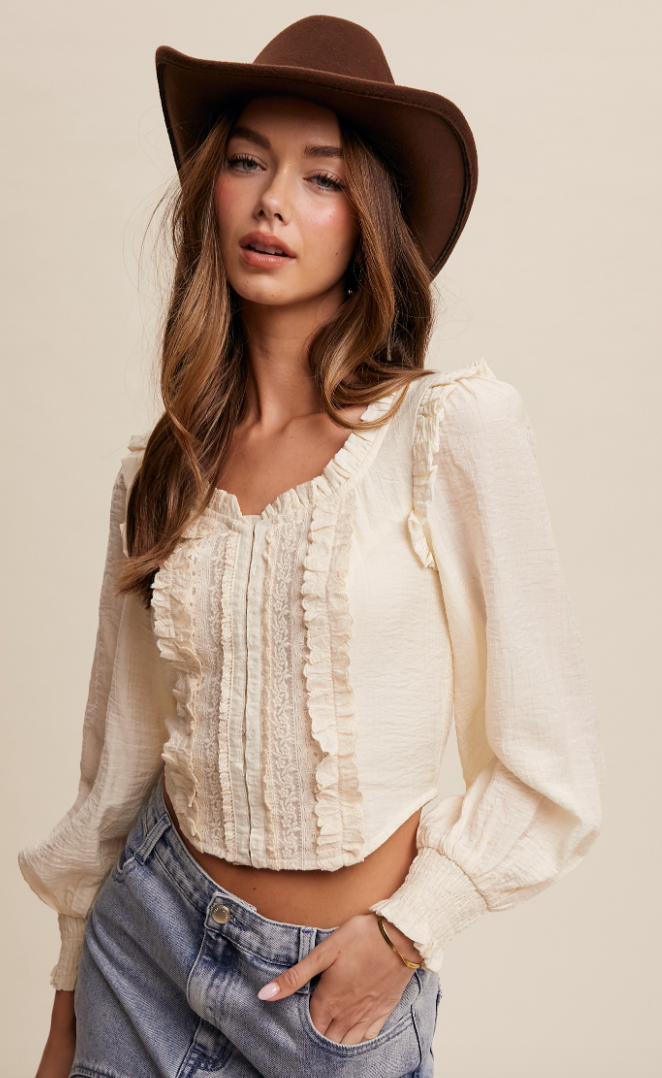
The world of high fashion is a captivating blend of artistry, craftsmanship, and visionary thinking. While the finished garments gracing runways and red carpets are what often capture our attention, the creative journey behind them is equally fascinating. Many of the most celebrated top fashion designer offering illustrations as a vital part of their creative process. These initial sketches are not merely blueprints; they are the genesis of dreams, the first whispers of a collection’s soul, and often, exquisite works of art in their own right.
In this festive season of inspiration and creativity, let’s delve into the magical realm where fashion design meets illustration. We’ll explore why this practice is so crucial, the unique skills involved, and how you can appreciate or even commission these incredible visual narratives. Prepare to be enchanted by the sheer talent and dedication that goes into bringing fashion visions to life, from the initial stroke of a pen to the final stitch.
The Indispensable Role of Fashion Illustrations
Before a single thread is woven or a pattern is cut, a fashion designer’s vision must first take shape on paper. This is where fashion illustration shines. It’s more than just drawing; it’s about capturing movement, texture, silhouette, and the very essence of the garment’s intended wearer. For a top fashion designer offering illustrations, these drawings serve multiple profound purposes:
- Conceptualization and Communication: Illustrations are the primary tool for a designer to translate abstract ideas into tangible forms. They allow for rapid exploration of different silhouettes, fabric manipulations, and color palettes without the commitment of physical materials. This visual dialogue is essential for internal team collaboration, client presentations, and even for conveying the mood and story of a collection to the wider world.
- Artistic Expression and Brand Identity: The style of illustration itself can become an extension of a designer’s brand. A whimsical, fluid sketch might speak to a bohemian aesthetic, while sharp, architectural lines could define a more avant-garde label. For a top fashion designer offering illustrations, their unique artistic hand becomes instantly recognizable, adding another layer of prestige and personality to their creations.
- Historical Documentation and Archival Value: Fashion illustrations are invaluable historical records. They document the evolution of styles, techniques, and the societal influences that shaped them. Many iconic fashion houses meticulously archive their original sketches, which are now highly sought-after by collectors and museums, proving the enduring artistic merit of these initial drawings.
- Marketing and Storytelling: In today’s visually driven world, compelling illustrations are powerful marketing tools. They can be used in lookbooks, advertisements, social media campaigns, and even on merchandise, offering a glimpse into the creative heart of the brand and captivating potential customers. A top fashion designer offering illustrations understands this power and leverages it to build anticipation and desire.
The Masterful Craft of Fashion Illustration
Creating a compelling fashion illustration requires a unique set of skills that go beyond basic drawing abilities. It’s a specialized art form demanding a deep understanding of the human form, High fashion designers names unveiling the maestros of style fabric properties, and the dynamic interplay of light and shadow.
Anatomy and Proportion: The Foundation of Form
A fundamental aspect of fashion illustration is the accurate depiction of the human figure. While designers often employ stylized proportions – elongating limbs to emphasize the drape and flow of fabric – a strong understanding of underlying anatomy is crucial. This allows for believable poses and the naturalistic rendering of how clothing would fall on the body.
- The Fashion Figure: Unlike traditional life drawing, fashion figures are often idealized, possessing a graceful, elongated silhouette. This exaggeration serves to highlight the garment’s design features and create a sense of elegance and aspiration.
- Movement and Pose: A static drawing can feel lifeless. Skilled illustrators capture the dynamism of fashion by depicting figures in motion – a gentle sway, a confident stride, or a dramatic turn. This requires an intuitive understanding of how the body moves and how fabric reacts to those movements.
Fabric Rendering: Bringing Textiles to Life
One of the most challenging yet rewarding aspects of fashion illustration is the ability to convincingly render different fabric textures and properties. The way silk drapes is vastly different from the crispness of linen or the luxurious pile of velvet.
- Texture and Sheen: Illustrators use a variety of techniques, from delicate cross-hatching to bold washes of watercolor, to convey the unique tactile qualities of materials. The play of light on satin, the matte finish of wool, or the sheer transparency of chiffon – all must be captured with precision.
- Drape and Volume: Understanding how fabric folds, pleats, and gathers is essential. An illustration should convey the weight and flow of the material, showing how it conforms to the body or creates volume and structure. This is where a top fashion designer offering illustrations truly excels, making the fabric feel almost tangible.
Color and Detail: The Finishing Touches
Color is a powerful language in fashion, and illustrators must master its nuances. Beyond simply choosing hues, they must understand how colors interact, how light affects their perception, and how to use them to evoke specific moods and emotions.
- Color Palettes: The chosen color palette for an illustration directly reflects the collection’s theme and season. Whether it’s vibrant jewel tones for a festive collection or muted earth tones for a minimalist line, the colors tell a story.
- Embellishments and Details: From intricate beadwork and embroidery to delicate lace and buttons, the small details can elevate a garment. Skilled illustrators meticulously render these elements, adding depth and realism to their work and showcasing the craftsmanship involved.
Iconic Designers Who Embrace Illustration
Many of the most revered top fashion designer offering illustrations have made their sketches as famous as their designs. These individuals recognize the intrinsic artistic value of their initial concepts and have cultivated a distinct illustrative style that is as recognizable as their couture.
- Yves Saint Laurent: His fluid, energetic sketches are legendary. YSL’s illustrations often captured the movement and sensuality of his designs, becoming iconic representations of his revolutionary approach to womenswear. His illustrations are not just preparatory sketches; they are works of art that embody the spirit of his creations.
- Christian Dior: The "New Look" was not only a revolutionary silhouette but also beautifully captured in Dior’s elegant and detailed illustrations. These drawings helped define the aspirational and luxurious image of the House of Dior.
- Karl Lagerfeld: Known for his prolific output and sharp wit, Lagerfeld’s illustrations were often as striking and witty as his designs. His sketches for Chanel and Fendi are celebrated for their precision, elegance, and ability to capture the essence of each brand.
- Elsa Schiaparelli: A pioneer of surrealism in fashion, Schiaparelli’s illustrations were often as whimsical and avant-garde as her clothing. Her collaborations with artists like Salvador Dalí are reflected in the playful and imaginative nature of her sketches.
These designers understood that an illustration could transcend its functional purpose to become a statement of artistic intent and a powerful brand asset. For a top fashion designer offering illustrations, it’s a testament to their multifaceted creative genius.
The Modern Landscape: Digital and Traditional Fusion
While traditional mediums like watercolor, gouache, and colored pencils remain popular, the advent of digital illustration has opened up new possibilities for top fashion designer offering illustrations.
- Digital Tools: Software like Adobe Photoshop and Illustrator, along with drawing tablets, allow for greater flexibility, ease of editing, and the ability to create intricate textures and effects. This can speed up the design process and enable more complex visual storytelling.
- Hybrid Approaches: Many designers now employ a hybrid approach, combining traditional sketching with digital enhancements. This allows them to leverage the spontaneity of hand-drawing with the precision and versatility of digital tools.
- Accessibility and Reach: Digital illustrations are easily shared across online platforms, reaching a global audience instantly. This democratizes fashion illustration to some extent, allowing emerging designers to showcase their vision effectively.
How to Appreciate and Engage with Fashion Illustrations
Whether you’re a seasoned fashion enthusiast or a curious newcomer, there are many ways to appreciate the artistry of fashion illustrations.
- Explore Museum Exhibitions and Archives: Many major fashion museums house extensive collections of fashion illustrations. Look for exhibitions that focus on specific designers or eras to gain a deeper understanding of their illustrative contributions.
- Follow Designers and Illustrators on Social Media: Many designers and freelance fashion illustrators share their work regularly on platforms like Instagram. This offers a direct window into their creative process and allows you to discover new talent.
- Invest in Art Books and Lookbooks: High-quality art books dedicated to fashion illustration or designer retrospectives often feature stunning reproductions of original sketches. Many designers also produce beautifully illustrated lookbooks that are works of art in themselves.
- Consider Commissioning an Illustration: For a truly unique and personal experience, consider commissioning a fashion illustration. This could be a portrait of yourself in a favorite outfit, a sketch of a dream design, or even a visual representation of a special occasion. A top fashion designer offering illustrations or a skilled freelance illustrator can bring your vision to life.
The Enduring Magic of the Sketch
In a world increasingly dominated by rapid prototyping and digital rendering, the enduring magic of the hand-drawn fashion illustration remains undeniable. It’s a testament to the human touch, the individual artistic voice, and the power of a simple line to convey a complex idea. For a top fashion designer offering illustrations, these sketches are not just a stepping stone; they are an integral part of their creative legacy, a beautiful fusion of art and commerce that continues to inspire and captivate us.
As we celebrate the spirit of creativity this festive season, let us take a moment to appreciate the often-unsung heroes of the fashion world: the illustrators and the designers who wield the pen with such masterful flair. Their work is a constant reminder that behind every breathtaking garment lies a story, a vision, and a touch of pure artistic genius.
Frequently Asked Questions About Fashion Illustrations
Q1: What is the primary purpose of fashion illustrations?
Fashion illustrations serve as the initial conceptualization tool for designers, allowing them to visualize and communicate their ideas for garments, explore different designs, and capture the essence of a collection before production begins.
Q2: Are fashion illustrations considered art?
Absolutely. Fashion illustrations are widely recognized as a distinct art form. They require significant artistic skill, creativity, and understanding of aesthetics, anatomy, and fabric rendering. Many illustrations are collected and exhibited in museums.
Q3: What materials are traditionally used for fashion illustrations?
Traditional materials include pencils, colored pencils, markers, watercolors, gouache, ink, and pastels. The choice of medium often influences the final look and feel of the illustration.
Q4: How has digital technology impacted fashion illustration?
Digital tools like Photoshop and Illustrator have introduced new possibilities for speed, flexibility, and advanced effects. Many designers now use hybrid approaches, combining traditional sketching with digital enhancements.
Q5: Can I commission a fashion illustration?
Yes, it is possible to commission fashion illustrations. Many freelance fashion illustrators and some designers offer this service for personal portraits, special occasion wear, or as unique artistic pieces.
Q6: What makes a fashion illustration "good"?
A good fashion illustration effectively communicates the design, captures the intended mood and style, showcases an understanding of fabric and form, and possesses a unique artistic flair or signature style.
Q7: How do fashion illustrations differ from technical flats?
Fashion illustrations are artistic interpretations that emphasize aesthetics, mood, and detail, often with stylized proportions. Technical flats, on the other hand, are precise, two-dimensional drawings that show the garment’s construction, seams, and measurements for manufacturing purposes.