Are you ready to dive into the dazzling world of digital art and procreate a vector illustration that truly pops? The iPad and Procreate have revolutionized how artists create, and understanding how to harness its power for vector-style work is a game-changer. While Procreate is primarily known for its raster-based painting capabilities, there are incredibly effective ways to achieve crisp, scalable vector-like results that will leave you amazed. This guide will illuminate the path, showing you how to procreate a vector illustration with confidence and flair, making your artwork infinitely adaptable and professionally polished.
The Magic of Scalability: Why Vector Matters
Before we jump into the "how," let’s quickly touch upon the "why." Vector graphics are fundamentally different from raster (bitmap) images. Instead of pixels, vectors are made up of mathematical equations that define points, lines, and curves. This means you can scale a vector illustration to any size – from a tiny favicon to a giant billboard – without losing a single bit of quality. This incredible scalability is a cornerstone of professional design, making it ideal for logos, icons, typography, and any artwork that needs to be reproduced in various formats. And yes, you absolutely can procreate a vector illustration that boasts this essential characteristic.
Procreate’s Raster Foundation: Bridging the Gap
It’s important to acknowledge that Procreate itself is a raster-based application. This means that when you paint or draw, you’re working with pixels. However, this doesn’t mean you’re out of luck when it comes to creating vector-style artwork. The magic lies in employing specific techniques and workflows that mimic the precision and scalability of true vector graphics. By understanding Procreate’s tools and adopting a mindful approach, you can procreate a vector illustration that offers many of the benefits of traditional vector software.
H3: Mastering the Tools: Essential Procreate Features for Vector-Style Art
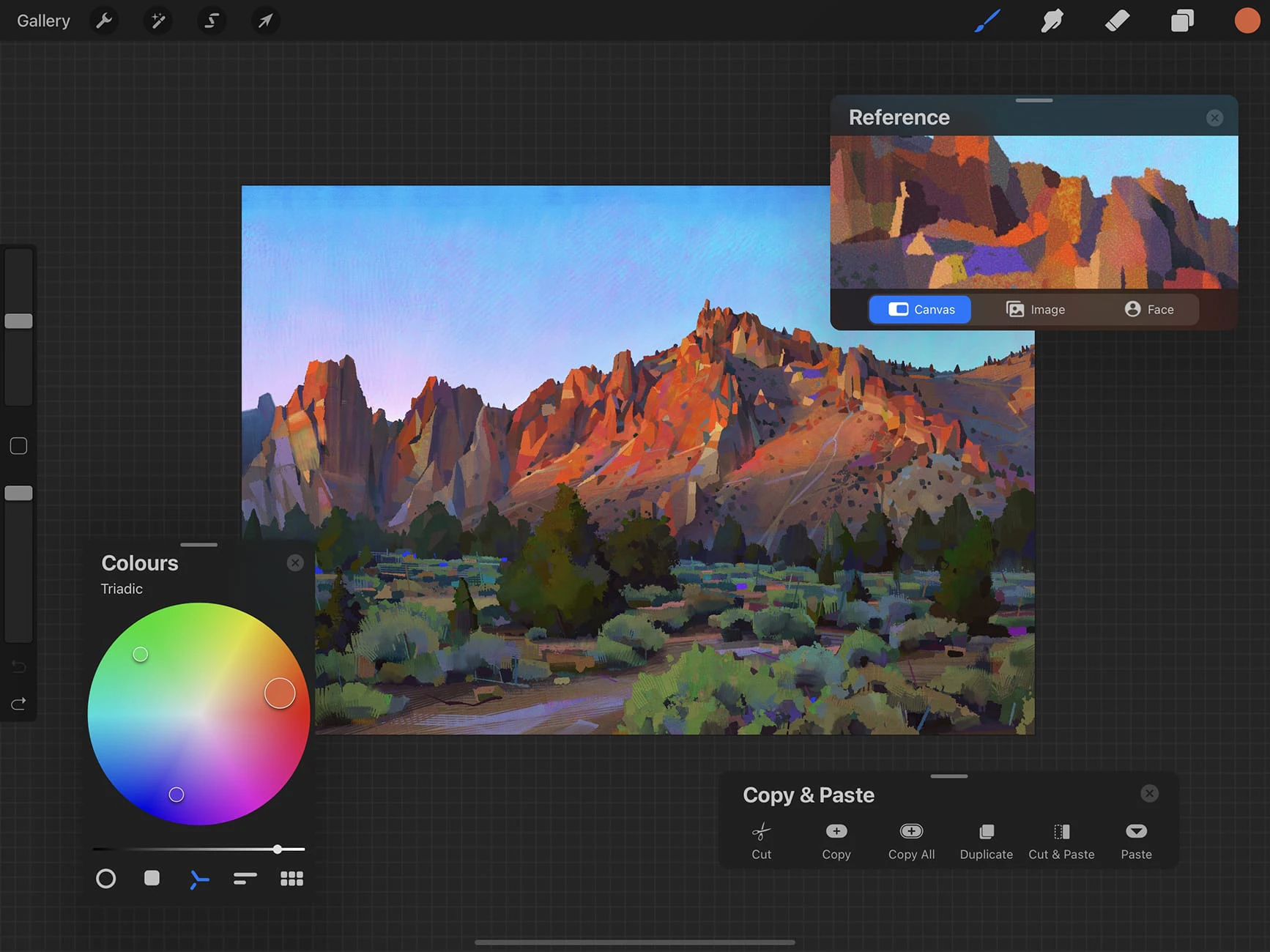
To procreate a vector illustration, you need to become intimately familiar with Procreate’s robust feature set. Think of these as your digital brushes and pencils, but with a vector-like precision.
H4: Precision Brushes: The Foundation of Clean Lines
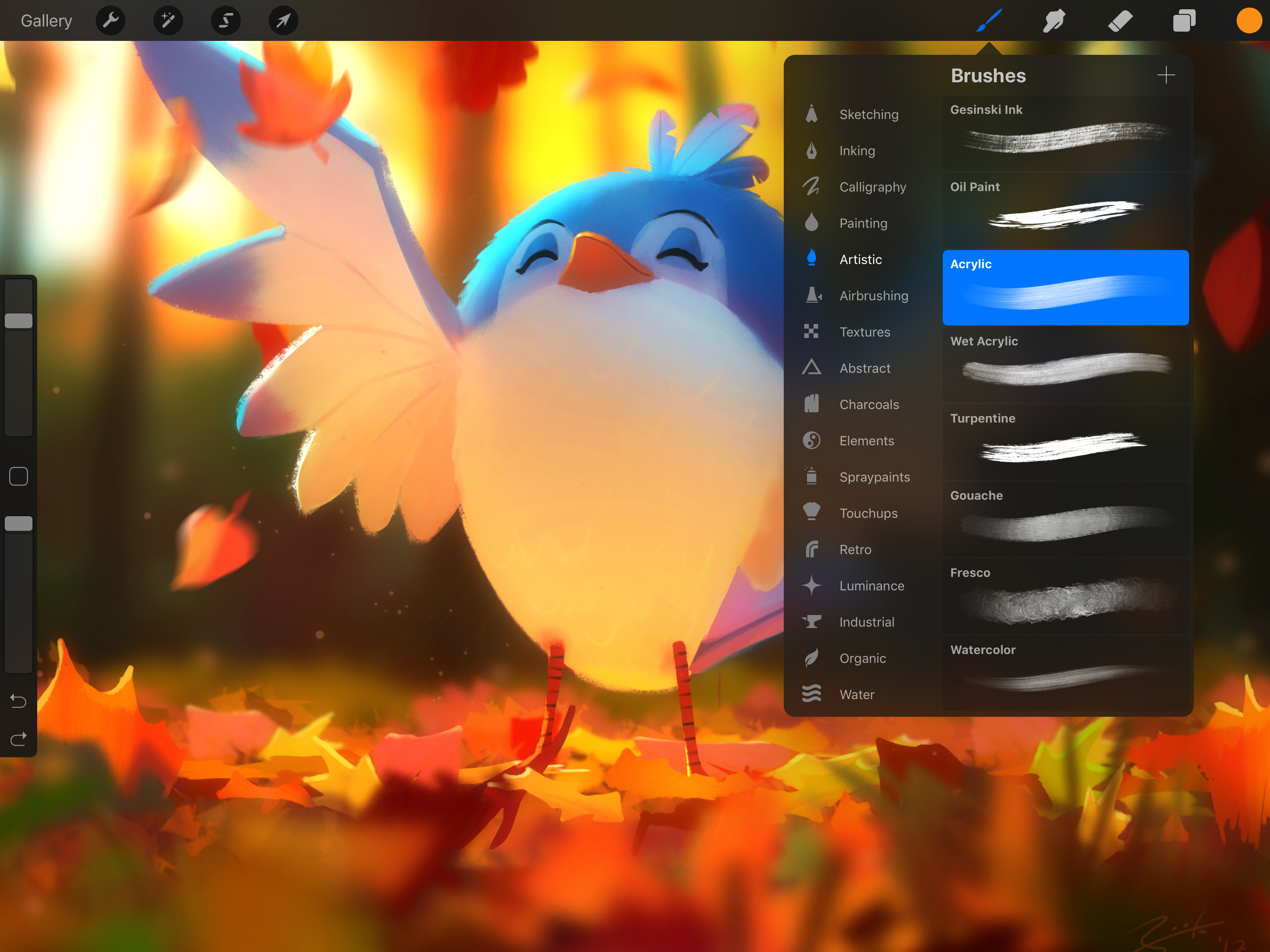
The key to achieving a clean, vector-like aesthetic in Procreate lies in selecting and utilizing the right brushes.
- Monoline Brushes: These are your absolute best friends. Monoline brushes have a consistent stroke width regardless of pressure. This is crucial for creating sharp, defined lines that resemble those found in vector art. Look for brushes labeled "Monoline," "Ink Pen," or "Technical Pen" in Procreate’s brush library. You can also find excellent custom monoline brushes online.
- Hard-Edged Brushes: For crisp shapes and fills, hard-edged brushes are essential. These brushes create solid, opaque strokes with no feathering or blending, perfect for creating clean, graphic elements.
- Stabilization Settings: Don’t underestimate the power of Procreate’s stroke stabilization. Found in the brush settings, this feature smooths out your hand movements, resulting in incredibly clean and precise lines. Experiment with different stabilization levels (Streamline) to find what feels most comfortable and produces the cleanest results for your vector-style work.
H4: Shape Tools: Building Blocks of Vector Art
While Procreate doesn’t have dedicated vector shape tools like Adobe Illustrator, you can simulate them effectively.
- Manual Shape Creation: Use your precision brushes to meticulously draw perfect circles, squares, triangles, and other geometric forms. Take your time, and leverage the stabilization feature to ensure smooth curves and straight lines.
- Transform Tool Magic: Once you’ve drawn a shape, the Transform tool (the arrow icon) is your best friend. You can use it to resize, rotate, and distort your shapes with incredible precision. The "Snapping" option within the Transform tool is invaluable for aligning shapes perfectly and creating symmetrical designs.
- QuickShape Feature: Procreate’s QuickShape feature is a hidden gem for creating perfect geometric forms. Simply draw a rough shape and hold your Apple Pencil down at the end. Procreate will automatically snap it into a perfect circle, square, ellipse, or triangle. You can then edit these shapes further using the Transform tool. This is a fantastic shortcut when you need to procreate a vector illustration with precise geometric elements.
H4: Layer Management: The Backbone of Organization
Effective layer management is paramount when you procreate a vector illustration. It allows for non-destructive editing and makes complex designs manageable.
- Separate Elements: Assign each distinct element of your illustration to its own layer. This includes outlines, fills, shadows, highlights, and any background elements.
- Naming Conventions: Develop a clear naming convention for your layers (e.g., "Character Outline," "Character Fill," "Background Shapes"). This will save you immense time when navigating your artwork.
- Layer Grouping: Group related layers together (e.g., all layers for a specific character). This further enhances organization and allows you to easily show or hide entire sections of your artwork.
H3: Workflow Strategies for Procreate Vector-Style Illustrations
Now that you’re familiar with the tools, let’s explore effective workflows to procreate a vector illustration.
H4: The "Clean Line Art First" Approach
This is perhaps the most popular and effective method for achieving vector-like results in Procreate.
- Sketching: Start with a rough sketch on a separate layer. Don’t worry too much about perfection at this stage.
- Inking/Line Art: Create a new layer above your sketch. Select a monoline or hard-edged brush with stabilization enabled. Carefully trace over your sketch, focusing on creating clean, consistent lines. This is where you truly procreate a vector illustration with a polished outline.
- Coloring: Create new layers below your line art layer for each color. Use hard-edged brushes to fill in your shapes precisely. You can also use the "Color Drop" feature for quick and clean fills, but ensure your line art has no gaps.
- Shading and Highlights: Add shading and highlights on separate layers, again using hard-edged brushes to maintain that crisp, graphic look. Consider using clipping masks to ensure your shading stays within the boundaries of your colored shapes.
H4: The "Shape-Based" Illustration Method
This method is particularly useful for creating geometric or icon-style artwork.
- Build with Shapes: Use Procreate’s QuickShape feature and manual drawing to create all the basic shapes of your illustration.
- Combine and Refine: Use the Transform tool to position, resize, and align your shapes. You can also use the "Weld" and "Subtract" options in the Transform tool to combine or cut out shapes, similar to pathfinder operations in vector software.
- Coloring and Detailing: Once your foundational shapes are in place, add color and details using hard-edged brushes on separate layers.
H4: Leveraging Alpha Lock and Clipping Masks
These Procreate features are indispensable for clean coloring and shading when you procreate a vector illustration.
- Alpha Lock: Once you’ve filled a layer with color, you can alpha lock it. This restricts any further drawing or painting to the existing pixels on that layer. This is perfect for adding shading or highlights without accidentally going outside the lines.
- Clipping Masks: A clipping mask allows you to draw on a layer, but the marks will only appear where there are pixels on the layer below it. This is ideal for applying shading, textures, or even patterns to specific elements without affecting other parts of your artwork.
H3: Achieving Scalability: The "Vector-Like" Advantage
While Procreate doesn’t export true vector files (like SVG or AI), the techniques described above allow you to create artwork that behaves like vector art in terms of visual quality.
- High Resolution is Key: When you start a new Procreate canvas, ensure you’re working at a sufficiently high resolution. For print work, aim for at least 300 DPI. This ensures that even if you need to scale your artwork up significantly, you won’t encounter pixelation.
- Exporting for Scalability: When exporting your Procreate artwork, choose formats like PNG or JPG. While these are raster formats, if you’ve followed the clean line art and shape-based workflows, your artwork will retain its crispness at various sizes. For true vector output, you’ll need to export your Procreate work and then import it into dedicated vector software.
H3: When to Consider Dedicated Vector Software
There are times when the limitations of Procreate for true vector work become apparent. If your project absolutely requires a native vector file format (SVG, AI, EPS) for specific functionalities like infinite scalability for web use, print production workflows that demand vector data, or complex path manipulation, then you’ll need to transition to software like Adobe Illustrator, Affinity Designer, or Inkscape.
However, the beauty of the techniques discussed here is that you can procreate a vector illustration in Procreate that serves as an excellent base. You can then export your Procreate artwork and use it as a reference or a flattened image within vector software to trace over and create your final, true vector file. This hybrid approach can be incredibly efficient.
H3: Inspiring Ideas to Procreate a Vector Illustration
The possibilities are endless when you learn to procreate a vector illustration. Here are a few ideas to spark your creativity:
- Logos and Branding: Design striking logos for businesses or personal brands.
- Icons and UI Elements: Create clean, modern icons for websites, apps, and interfaces.
- Character Design: Develop stylized characters with bold outlines and flat colors.
- Typography Art: Design unique lettering and word art with sharp edges.
- Pattern Design: Craft repeating patterns for textiles, wallpapers, or digital backgrounds.
- Children’s Book Illustrations: Produce bright, cheerful illustrations with clear lines and vibrant colors.
Conclusion: Your Digital Canvas Awaits!
Learning to procreate a vector illustration in Procreate is an empowering skill that opens up a world of creative possibilities. By mastering Procreate’s precision brushes, leveraging its shape-building capabilities, and adopting smart workflow strategies, you can create stunning, scalable artwork that rivals traditional vector creations. Don’t be intimidated by Procreate’s raster foundation; embrace its tools and techniques, and you’ll be amazed at what you can achieve. So grab your Apple Pencil, open Procreate, and let your imagination soar! We can’t wait to see the incredible art you create!
FAQ: Procreate a Vector Illustration
Q1: Can Procreate truly create vector files?
A1: No, Procreate is a raster-based application and does not natively export true vector file formats (like SVG, AI, EPS). However, you can use Procreate’s tools and techniques to create artwork that looks and behaves like vector art in terms of its crispness and scalability.
Q2: What is the best brush to use in Procreate for vector-style illustrations?
A2: Monoline brushes are ideal as they offer consistent stroke width. Hard-edged brushes are also excellent for clean fills and sharp shapes. Always experiment with Procreate’s brush library and stabilization settings.
Q3: How can I make my Procreate illustrations scalable?
A3: Work at a high resolution (e.g., 300 DPI) and focus on creating clean, precise Decades fashion timeline to a glorious journey through style lines and shapes using techniques like the "Clean Line Art First" approach or the "Shape-Based" method. This will ensure your artwork retains its quality when resized.
Q4: What is the benefit of creating vector-style illustrations in Procreate?
A4: You gain the ability to create crisp, scalable artwork without needing to learn complex vector software initially. It’s a fantastic way to produce professional-looking graphics for logos, icons, and more, all within the intuitive Procreate environment.
Q5: If I need a true vector file, what should I do?
A5: You can create your artwork in Procreate using the vector-style techniques, then export it as a high-resolution raster image (PNG, JPG). You can then import this image into dedicated vector software (like Adobe Illustrator or Affinity Designer) and trace over it to create a true vector file.