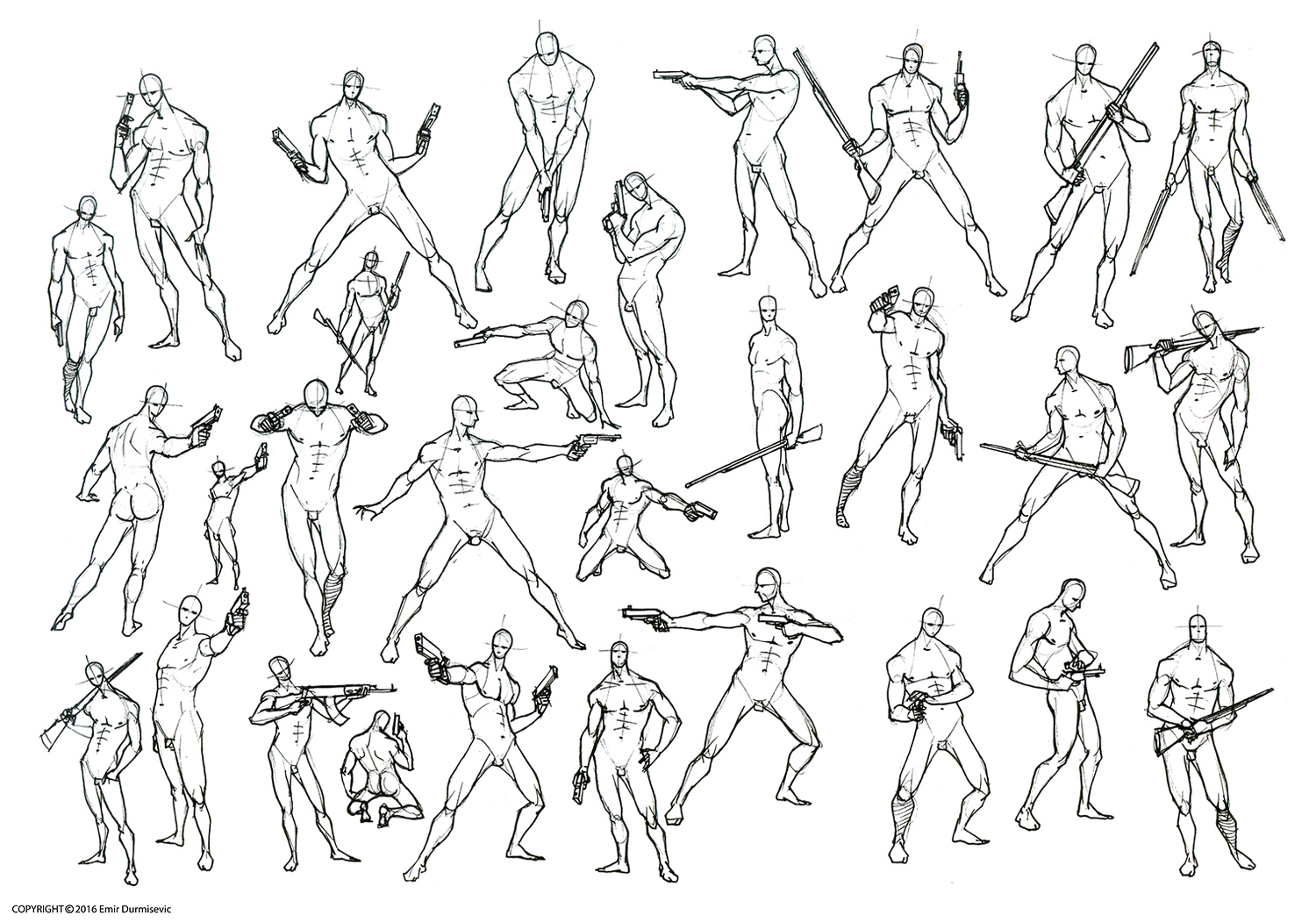
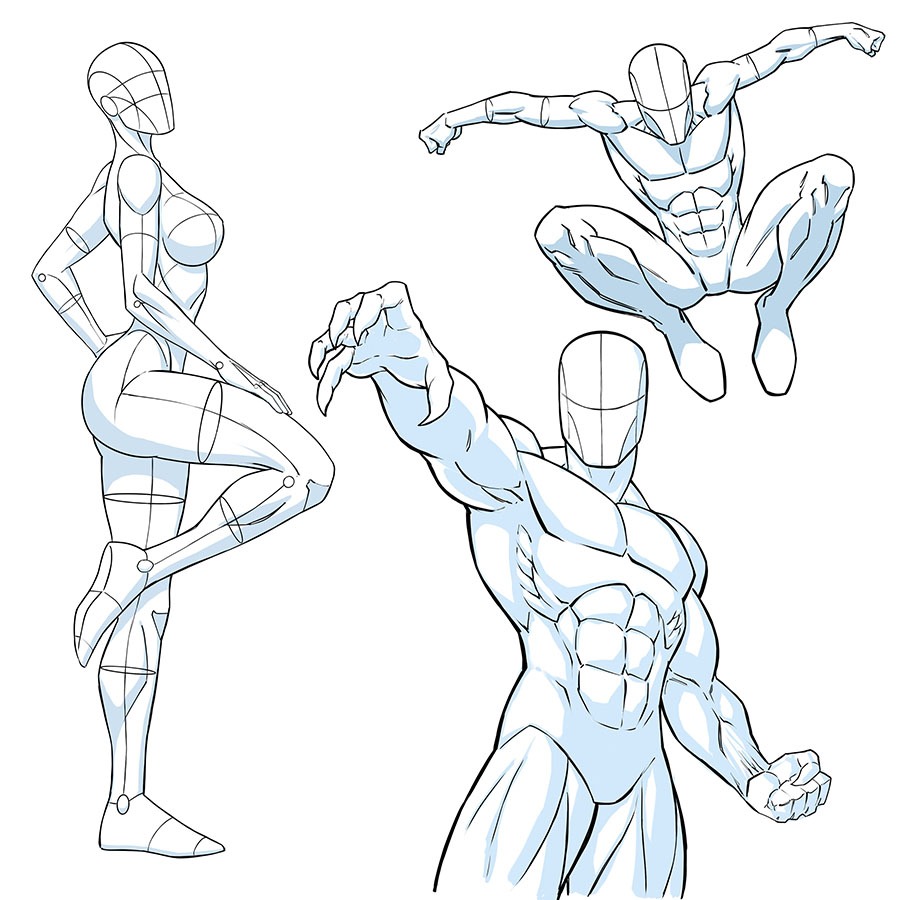
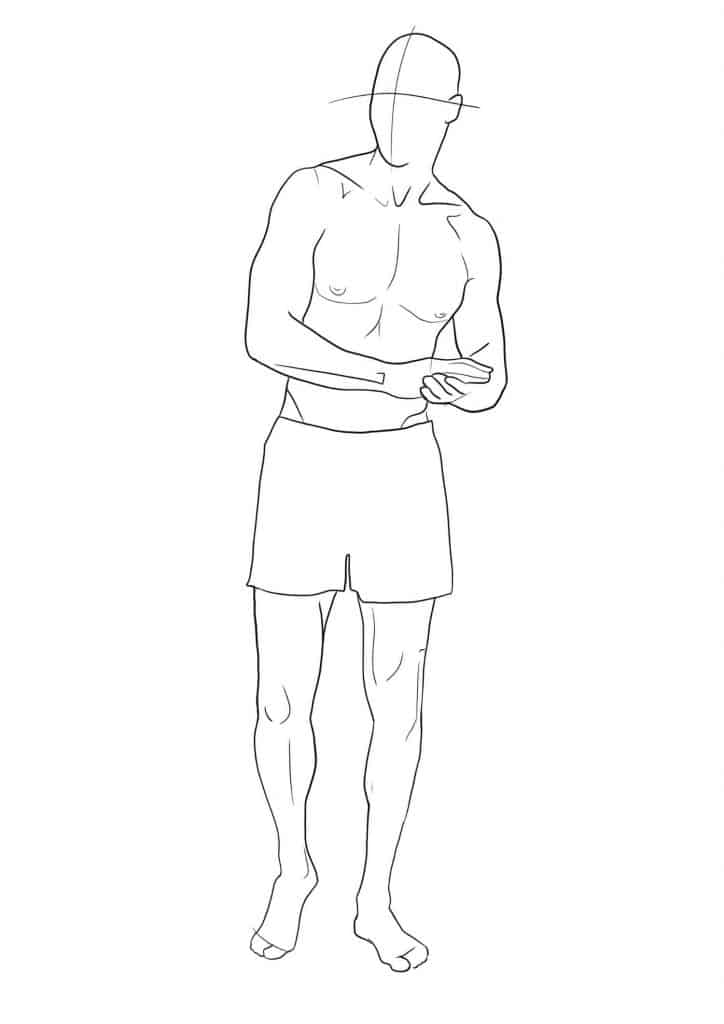
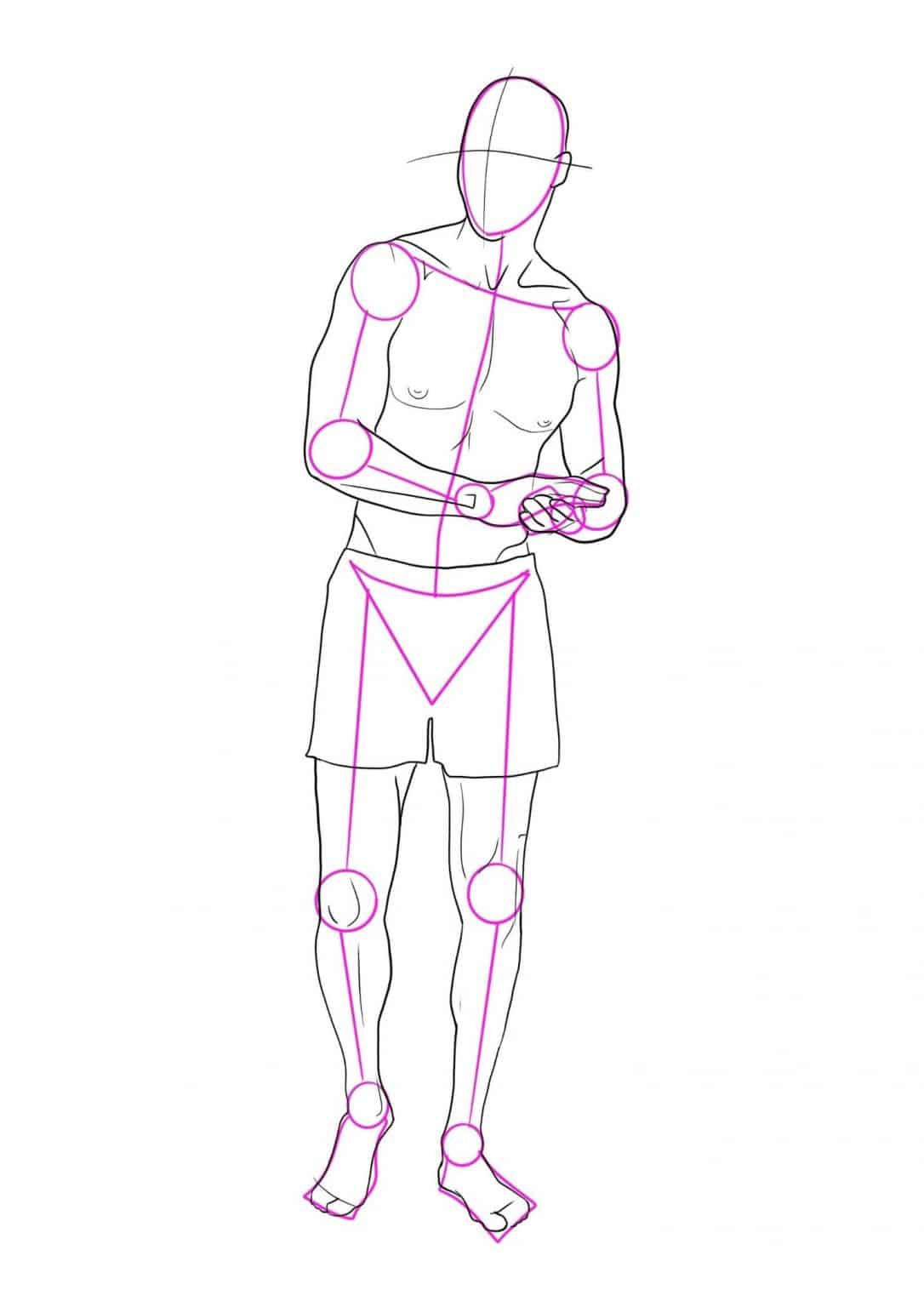
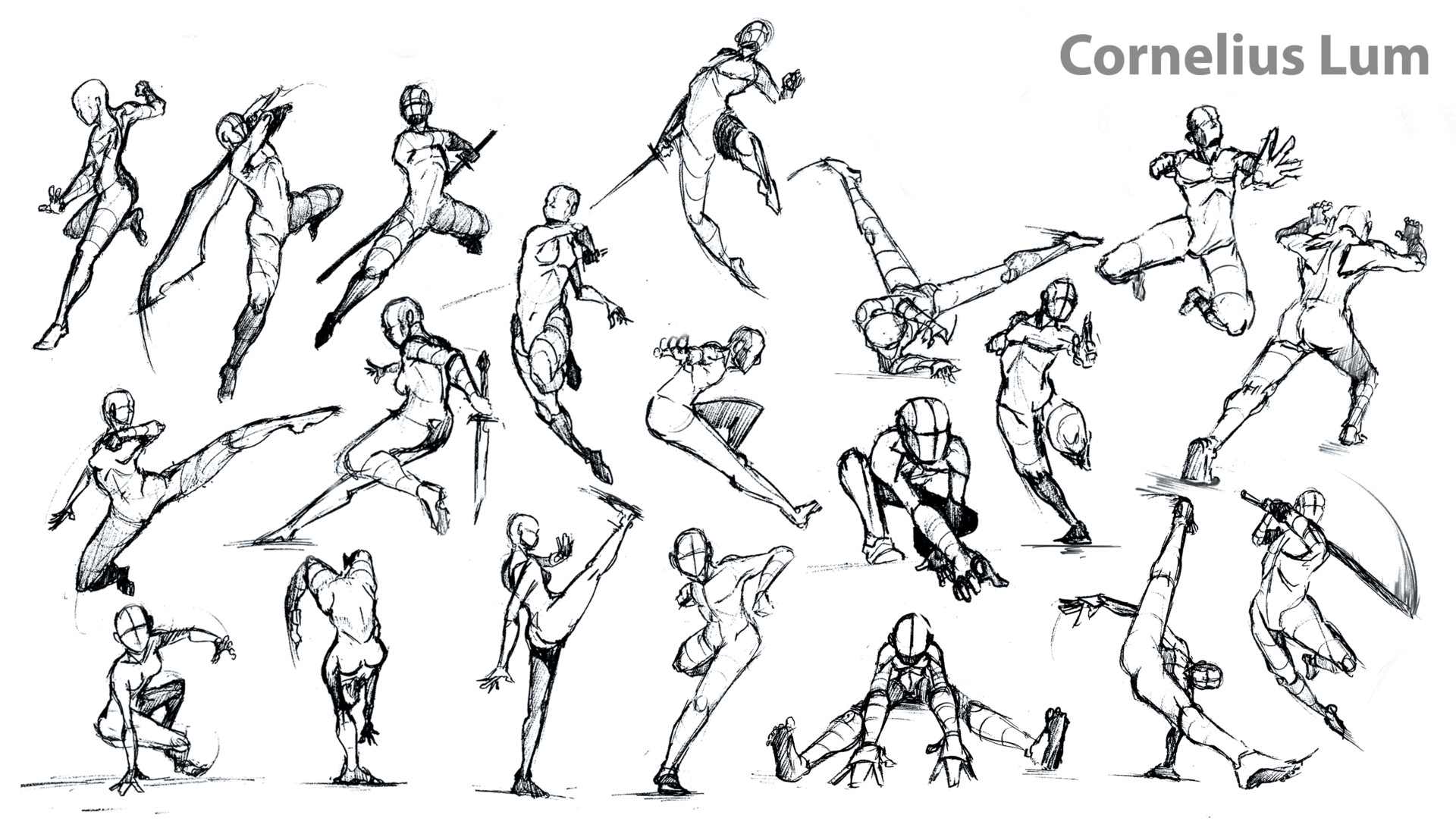
Embarking on the journey of figure drawing is an exhilarating adventure, and having the right visual references can truly transform your practice. For aspiring artists and seasoned professionals alike, the quest for compelling photos for figure drawing poses is paramount. These images aren’t just static snapshots; they are windows into the dynamic human form, offering invaluable insights into anatomy, gesture, and emotional expression. Whether you’re aiming to capture the grace of a dancer, the stoic strength of a model, or the subtle nuances of everyday posture, the quality and variety of your reference material will directly impact your artistic growth. Let’s dive into the wonderful world of photos for figure drawing poses and discover how they can elevate your skills and ignite your creativity!
The Essential Role of Photos for Figure Drawing Poses
Figure drawing is the cornerstone of representational art. It teaches us to observe, understand, and translate the complexities of the human body onto a two-dimensional surface. While life drawing sessions are invaluable, they aren’t always accessible or practical for everyone. This is where photos for figure drawing poses become an indispensable tool. They offer:
- Accessibility and Convenience: Access a vast library of poses anytime, anywhere. This is particularly beneficial for students, hobbyists, and artists with busy schedules.
- Variety and Specificity: Photos can capture poses that might be difficult or impossible to hold for extended periods in a life drawing session. You can find specific anatomical studies, dynamic actions, or emotionally charged gestures.
- Anatomical Study: High-quality photos highlight muscle definition, bone structure, and the interplay of light and shadow, providing crucial anatomical information.
- Gesture and Flow: Beyond mere anatomy, photos capture the essence of movement and energy, helping you to understand and depict the "gesture" of a pose.
- Lighting and Form: The way light falls on the body in a photograph can dramatically emphasize form and volume, offering valuable lessons in chiaroscuro and rendering.
- Emotional Expression: Poses can convey a wide range of emotions, from joy and sorrow to tension and relaxation. Studying these in photos helps you imbue your drawings with narrative and feeling.
Finding the Perfect Photos for Figure Drawing Poses: A Treasure Hunt
The internet is a treasure trove of photos for figure drawing poses, but navigating it effectively requires a bit of strategy. Here’s where to look and what to look for:
H3: Online Resources: Your Digital Studio
- Stock Photo Websites: Many stock photo sites offer extensive collections of human figures. Look for terms like "figure reference," "model poses," "anatomy study," and "gesture drawing." Some popular platforms include:
- Unsplash, Pexels, Pixabay: These offer free, high-quality images. While not always specifically curated for figure drawing, you can find excellent general poses.
- Adobe Stock, Getty Images, Shutterstock: These paid platforms offer a wider selection and often have more specific categories.
- Dedicated Figure Drawing Reference Sites: Several websites are specifically designed for artists, offering curated collections of poses, often categorized by type (standing, sitting, dynamic, seated, etc.) and sometimes even including lighting variations. Search for "figure drawing reference photos," "pose reference for artists," or "online figure drawing models."
- Art Communities and Forums: Platforms like ArtStation, DeviantArt, and Reddit (subreddits like r/figuredrawing, r/drawing, r/anatomy) often have artists sharing their reference photos or linking to useful resources. Be mindful of copyright when using images found in these spaces.
- Social Media: Pinterest is an excellent visual search engine. Create boards dedicated to different types of poses and search for terms like "figure drawing poses," "dynamic poses," "seated poses," and "action poses." Instagram can also be a source, but be cautious about image quality and potential copyright issues.
H3: What Makes Great Photos for Figure Drawing Poses?
Not all photos are created equal when it comes to figure drawing. Here are key characteristics to seek out:
- Clear Anatomy and Form: The photo should clearly show the underlying bone and muscle structure. Avoid overly distorted perspectives or extreme foreshortening unless that’s specifically what you’re trying to study.
- Good Lighting: Look for photos with distinct light and shadow patterns. This helps you understand how form is created and how to render volume. Side lighting, top lighting, and backlighting can all offer unique challenges and learning opportunities.
- Uncluttered Backgrounds: A clean, simple background allows you to focus solely on the figure without distractions.
- Variety of Poses: Don’t limit yourself to static standing poses. Seek out dynamic actions, seated positions, reclining figures, and gestures that convey emotion.
- Different Angles: Having reference photos from various viewpoints (front, side, three-quarter, back) is crucial for understanding the three-dimensionality of the human form.
- Resolution and Detail: Higher resolution images will allow you to zoom in and observe finer details of anatomy, muscle tension, and skin folds.
Exploring Different Categories of Photos for Figure Drawing Poses
To truly master the human form, it’s beneficial to explore a diverse range of photos for figure drawing poses. Affordable designer boots for women unlocking chic style without breaking the bank Let’s break down some key categories:
H4: Static Poses: The Foundation of Observation
These are the foundational poses that help artists develop their understanding of proportion, balance, and basic anatomy.
- Standing Poses:
- Contrapposto: A classic pose where the figure’s weight is shifted to one leg, creating a natural S-curve in the body. This is fundamental for understanding weight distribution and relaxed posture.
- Symmetrical Standing: While less common in natural life, these poses can be useful for studying frontal views and understanding bilateral symmetry.
- Tilted Torso/Leaning: Poses where the figure is leaning against a wall or object, or has a noticeable tilt in their torso, are excellent for studying the interplay of muscles and the effects of gravity.
- Seated Poses:
- Cross-legged: Offers interesting challenges in rendering the twisted torso and the way the limbs interact.
- Chair Poses: Various positions on a chair, from upright to slouched, provide opportunities to study the spine’s curvature and the compression of the body.
- Floor Seated: Figures sitting on the floor in various arrangements, like with legs extended or tucked, showcase different ways the body can support itself.
H4: Dynamic Poses: Capturing Movement and Energy
These poses are essential for artists who want to depict action, sports, dance, or any form of movement.
- Action Poses:
- Running, Jumping, Throwing: These capture peak moments of motion and require an understanding of momentum, balance, and the exaggeration of form.
- Stretching and Reaching: Poses that involve extending limbs and elongating the body are great for studying muscle extension and joint articulation.
- Dance Poses:
- Ballet: Graceful and precise, ballet poses offer studies in extension, balance, and elegant lines.
- Contemporary Dance: Often more fluid and expressive, these poses can be incredibly dynamic and emotionally charged.
- Fighting and Martial Arts Poses: These are excellent for studying tension, power, and the complex interplay of muscles under strain.
H4: Emotional and Narrative Poses: Telling a Story
These poses go beyond pure anatomy and focus on conveying feeling and narrative.
- Gestural Poses: Often less concerned with perfect anatomical accuracy and more focused on capturing the essence of movement and emotion. These are fantastic for quick sketches and developing a sense of flow.
- Emotional Expressions: Poses that depict sadness, joy, anger, contemplation, or exhaustion. Observe how the body language changes to reflect internal states.
- Interaction Poses: While not always readily available as single-figure photos, observing how figures interact in groups can provide valuable insights into composition and storytelling.
Leveraging Photos for Figure Drawing Poses for Maximum Impact
Simply looking at photos for figure drawing poses isn’t enough; active engagement is key. Here’s how to make the most of your reference material:
H4: Active Study Techniques
- Gesture Drawing: Set a timer for short durations (30 seconds to 5 minutes) and quickly sketch the main lines of action and flow in the pose. Focus on the overall energy and movement, not details.
- Anatomical Breakdown: Spend longer periods (15-30 minutes) focusing on specific areas of the body. Identify the major muscle groups, bones, and how they interact in the pose.
- Light and Shadow Studies: Concentrate on how light falls on the form. Use shading to define planes, create volume, and enhance the sense of three-dimensionality.
- Proportion Studies: Measure and compare the relative sizes of different body parts within the pose. This helps develop your eye for accurate proportions.
- Value Studies: Create monochromatic studies of the pose, focusing solely on the range of light and dark values. This is a powerful way to understand form.
H4: The Power of Variety and Repetition
- Mix and Match: Don’t be afraid to combine elements from different photos. For instance, you might like the torso of one pose and the legs of another.
- Draw from Multiple References: When drawing a single pose, try to find several photos of it from different angles to gain a complete understanding.
- Regular Practice: Consistent drawing from photos for figure drawing poses is the most effective way to improve. Aim for daily practice, even if it’s just for 15-30 minutes.
Common Pitfalls to Avoid with Photos for Figure Drawing Poses
While incredibly useful, there are some potential downsides to relying solely on photos for figure drawing poses:
- The "Flatness" Trap: Photos are inherently two-dimensional. It’s crucial to actively think about the underlying three-dimensional form and not just copy what you see.
- Over-reliance on Perfect Poses: Life drawing offers imperfections and subtle shifts that photos might not capture. Don’t become overly reliant on "perfect" references.
- Copyright Concerns: Always be mindful of copyright when using images. For personal study, most images are generally acceptable, but for commercial use or public display, ensure you have the necessary permissions.
- Lack of Real-Time Observation: Photos don’t capture the subtle shifts and nuances of a live model. Life drawing sessions remain an essential complement.
The Joyful Journey of Artistic Discovery
Using photos for figure drawing poses is a fantastic way to embark on or continue your artistic journey. They provide endless opportunities for learning, experimentation, and growth. The sheer volume of available references means you can explore every conceivable posture, from the most serene to the most energetic. Embrace the process, be curious, and let these visual guides inspire you to create your most compelling artwork yet. The human form is a universe of endless fascination, and with the right photos for figure drawing poses, you have the keys to unlock its secrets.
Frequently Asked Questions About Photos for Figure Drawing Poses
Q1: Where can I find free photos for figure drawing poses?
A1: Excellent free resources include Unsplash, Pexels, and Pixabay. Many art communities like DeviantArt and Reddit also have artists sharing reference material.
Q2: What is the most important thing to look for in figure drawing reference photos?
A2: Clear anatomy, good lighting that defines form, and uncluttered backgrounds are crucial for effective study.
Q3: Can I use photos from Google Images for figure drawing practice?
A3: For personal study, it’s generally acceptable. However, be aware of copyright. If you plan to use your drawings commercially or publicly, it’s best to use royalty-free stock photos or images with explicit permission.
Q4: How often should I practice drawing from photos?
A4: Consistent practice is key. Aim for daily sessions, even if they are short, to build your skills effectively.
Q5: What’s the difference between gesture drawing and detailed anatomical studies from photos?
A5: Gesture drawing focuses on capturing the overall movement and energy of a pose quickly, while anatomical studies involve a more in-depth analysis of muscles, bones, and form. Both are valuable techniques.