Pencil Artwork Pencil Sketch: A Masterclass in Enduring Artistry
There’s a profound, almost magical quality to a pencil artwork pencil sketch. It’s a testament to the raw power of simplicity, a captivating dance of light and shadow rendered with the humble graphite stick. In a world saturated with digital mediums and vibrant hues, the understated elegance of a pencil sketch possesses a timeless appeal that continues to enchant artists and collectors alike. This isn’t just about lines on paper; it’s about capturing the essence of a subject, revealing its soul through meticulous strokes and subtle gradations. The beauty of pencil artwork pencil sketch lies in its accessibility, its versatility, and its ability to evoke a deep emotional connection.
From the earliest cave paintings to the masterpieces adorning museum walls, drawing has been the foundational language of visual art. And at its heart, the pencil reigns supreme as a tool for exploration, expression, and creation. Whether you’re a seasoned artist honing your craft or a curious beginner dipping your toes into the world of art, understanding the nuances of pencil artwork pencil sketch can unlock a universe of creative possibilities. This article will delve into the captivating world of pencil art, exploring its techniques, its enduring appeal, and why it remains a vital and celebrated form of artistic expression.
The Humble Beginnings: Why Pencil Art Endures
The enduring appeal of pencil artwork pencil sketch isn’t a fleeting trend; it’s rooted in history and fundamental artistic principles. Before the advent of paints, charcoal, or digital tablets, early humans used sharpened sticks and natural pigments to create images. The pencil, in its more refined form, emerged in the 16th century, offering artists a precise and controllable tool. Its portability, affordability, and immediate feedback made it an indispensable companion for sketching ideas, capturing fleeting moments, and developing complex compositions.
The beauty of pencil artwork pencil sketch lies in its inherent honesty. There are no layers of varnish to hide imperfections, no digital filters to smooth over mistakes. Each line, each smudge, tells a story of the artist’s hand and mind. This directness fosters a profound connection between the viewer and the artwork, allowing for an intimate appreciation of the artist’s skill and vision.
The Power of Graphite: Understanding Your Tools
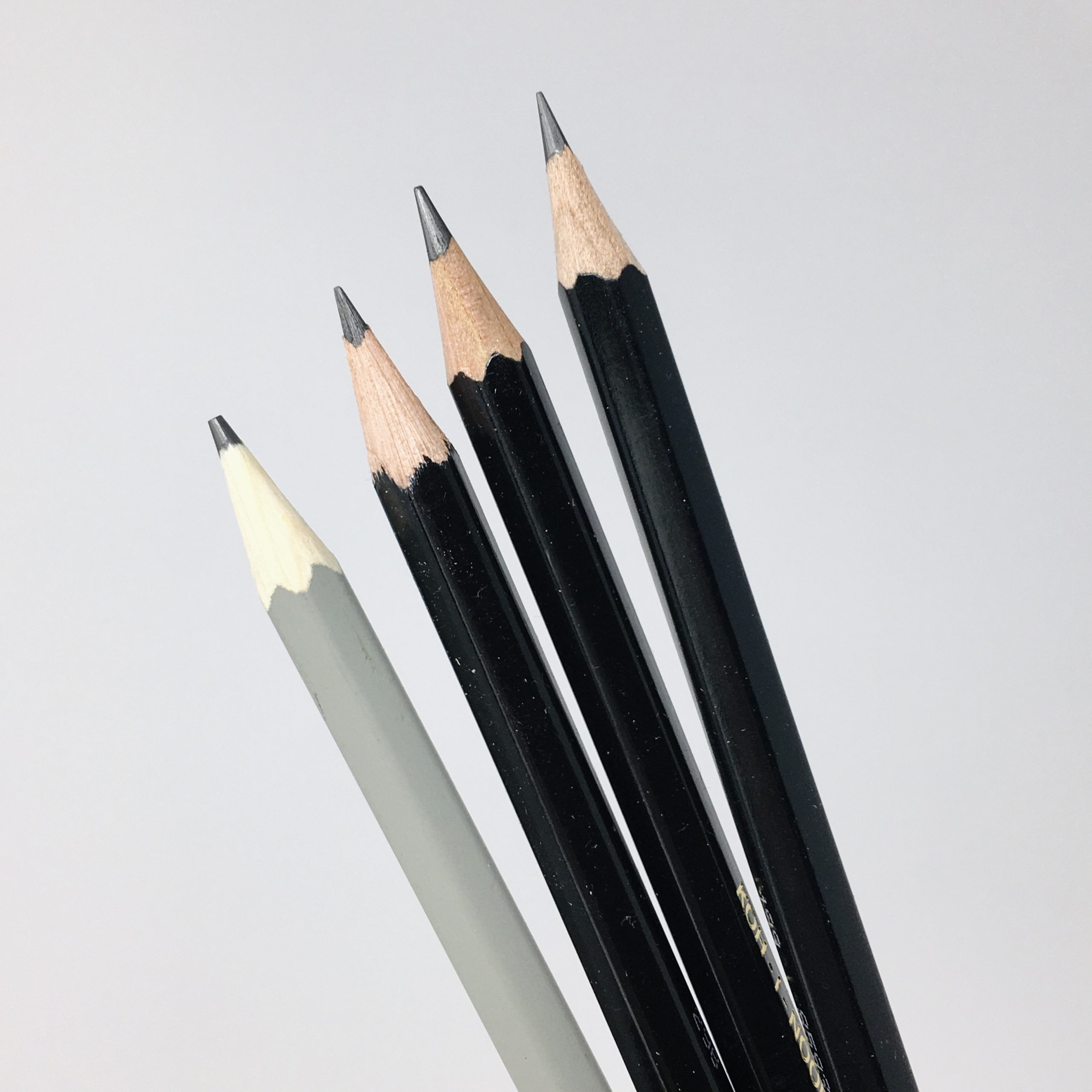
The magic of pencil artwork pencil sketch begins with the tools. Pencils aren’t all created equal, and understanding their different grades is crucial for achieving a wide range of effects. The grading system, typically denoted by letters and numbers, indicates the hardness or softness of the graphite core.
-
H-Pencils (Hard): These pencils produce lighter, finer lines and are excellent for detailed work, precise outlines, and creating subtle shading. The higher the number (e.g., 9H), the harder the lead and the lighter the mark. They are less likely to smudge, making them ideal for initial sketches and technical drawings.
-
B-Pencils (Black): These pencils have softer leads that produce darker, richer tones. They are perfect for creating deep shadows, expressive textures, and bold lines. The higher the number (e.g., 9B), the softer the lead and the darker the mark. They are prone to smudging, which can be used creatively for blending and atmospheric effects.
-
HB and F Pencils: These fall in the middle of the spectrum. HB is a good all-rounder, suitable for both sketching and general drawing. F (Fine point) is slightly harder than HB, offering a good balance of precision and darkness.
Beyond the standard graphite pencils, artists also explore:
- Colored Pencils: While not strictly graphite, colored pencils offer a vibrant alternative for sketching and drawing, allowing for a broader palette of expression.
- Charcoal Pencils: These provide the deep blacks and expressive qualities of charcoal in a more controlled pencil form.
- Erasers: Crucial for refining and correcting, erasers are as much a tool as the pencil itself. Kneaded erasers are versatile for lifting graphite and creating highlights, while precision erasers can remove small mistakes with accuracy.
Mastering the interplay of these different grades allows artists to build depth, form, and texture, transforming a simple pencil artwork pencil sketch into a captivating visual experience.
Techniques That Bring Pencil Art to Life
The artistry in pencil artwork pencil sketch is not just about what you draw, but how you draw it. Several fundamental techniques are employed to create compelling images:
Hatching and Cross-Hatching: Building Form with Lines
- Hatching: This involves creating tonal or shading effects by drawing a series of parallel lines. The closer the lines, the darker the tone. The direction of the lines can also follow the form of the object, enhancing its three-dimensionality.
- Cross-Hatching: This technique builds darker tones and more complex forms by layering parallel lines in different directions. Overlapping sets of lines create increasingly dense areas of shadow. This is a cornerstone of creating realistic volume and depth in pencil artwork pencil sketch.
Stippling: The Art of the Dot
Stippling uses small dots to create shading and texture. The density of the dots determines the darkness of the tone. This technique requires immense patience but can produce incredibly delicate and nuanced effects, often seen in detailed portraits and realistic renderings.
Blending: Creating Smooth Transitions
Blending involves softening and merging pencil marks to create smooth transitions between tones. This can be achieved using various tools:
- Fingers: A common and accessible method, though oils from the skin can sometimes affect the paper.
- Tortillons and Blending Stumps: These are tightly rolled paper tools that allow for precise blending and smoothing.
- Chamois Cloth: A soft leather cloth that can be used to gently blend large areas.
- Brushes: Soft brushes can also be used for subtle blending.
Blending is essential for achieving realistic skin tones, soft textures, and atmospheric effects in pencil artwork pencil sketch.
Scumbling: Expressive and Textured Marks
Scumbling involves using scribbled, circular, or random marks to build up tone and texture. This technique is less about precise lines and more about creating a lively, energetic feel. It’s often used for rendering rough surfaces like hair, fur, or textured fabrics.
Erasure Techniques: Drawing with the Negative Space
As mentioned earlier, erasers are powerful tools in pencil artwork pencil sketch. Artists can use them to lift graphite and create highlights, effectively "drawing" with the negative space. This is particularly useful for rendering bright objects, reflections, or the glint in an eye.
The Subject Matter: A Universe of Possibilities
The beauty of pencil artwork pencil sketch lies in its incredible versatility. Almost anything can be rendered beautifully with pencil.
Portraits: Capturing the Human Spirit
Pencil portraits are a classic and beloved genre. The ability of graphite to capture subtle nuances of expression, skin texture, and the play of light on the face makes it ideal for this subject. A well-executed pencil artwork pencil sketch of a person can convey a profound sense of their personality and inner life.
Landscapes: Bringing the Outdoors In
From rolling hills to majestic mountains, pencil sketches can beautifully capture the vastness and intricate details of natural landscapes. The artist can use varying pressures and pencil grades to depict the softness of clouds, the ruggedness of rocks, and the delicate foliage of trees.
Still Life: The Art of Observation
Arranging objects and capturing their forms, textures, and the way light interacts with them is a timeless artistic pursuit. A pencil artwork pencil sketch of a still life can highlight the artist’s observational skills and their ability to translate three-dimensional objects onto a two-dimensional surface.
Animals: Capturing Movement and Majesty
The intricate details of fur, feathers, and scales, along with the dynamic poses of animals, offer a fantastic challenge and reward for pencil artists. A realistic pencil artwork pencil sketch of an animal can convey its wildness, grace, and unique characteristics.
Abstract and Conceptual Art: Exploring Ideas
Beyond representational art, pencil is also a powerful tool for abstract and conceptual expression. Artists can use line, form, and texture to explore emotions, ideas, and purely aesthetic concepts. The raw, immediate nature of pencil artwork pencil sketch lends itself well to this form of artistic exploration.
The Emotional Resonance of Pencil Art
Why does pencil artwork pencil sketch resonate so deeply with us? It taps into a primal connection with the act of creation. It’s a tangible representation of thought and observation, a moment frozen in time. There’s an inherent warmth and intimacy to a pencil drawing that often feels more personal than other mediums. The subtle imperfections, the visible hand of the artist, all contribute to a sense of authenticity and emotional depth.
In a world that often prioritizes speed and perfection, the deliberate, often time-consuming process of creating a pencil artwork pencil sketch offers a welcome respite. It encourages mindfulness, patience, and a deep engagement with the subject matter. This, in turn, translates into artwork that speaks to the viewer on a profound emotional level.
Caring for Your Pencil Artwork
To ensure your pencil artwork pencil sketch lasts for generations, proper care is essential:
- Archival Paper: Use acid-free, archival quality paper to prevent yellowing and deterioration over time.
- Fixatives: A spray fixative can help prevent smudging and protect the graphite. Apply it in thin, even coats in a well-ventilated area.
- Framing: Frame your artwork under UV-protective glass to shield it from light damage and dust.
- Storage: Store unframed artwork flat in archival sleeves or portfolios, away from direct sunlight, humidity, and extreme temperatures.
Conclusion: Embrace the Power of the Pencil
The pencil artwork pencil sketch is more than just a drawing; it’s a testament to the enduring power of observation, skill, and emotional expression. It’s a medium that invites us to slow down, to appreciate the beauty in simplicity, and to connect with the artist’s vision on a deeply personal level. Whether you’re an aspiring artist eager to explore its potential or an admirer captivated by its charm, the world of pencil artwork pencil sketch offers a rich and rewarding experience. So, pick up a pencil, embrace the journey, and discover the timeless beauty that lies within the humble graphite line.
Frequently Asked Questions about Pencil Artwork Pencil Sketch
Q1: What is the most important aspect of creating a good pencil artwork pencil sketch?
A1: Observation is paramount. Truly seeing your subject – its shapes, tones, textures, and light – is the foundation of any successful pencil artwork pencil sketch.
Q2: How can I improve my shading techniques in pencil artwork pencil sketch?
A2: Practice is key! Experiment with different pencil grades, explore hatching, cross-hatching, stippling, and blending techniques. Study how light falls on objects to understand where shadows and highlights should be.
Q3: Is pencil artwork pencil sketch considered a "real" art form?
A3: Absolutely! Pencil artwork pencil sketch is a fundamental and highly respected art form. Many of the world’s most famous artists began their careers with pencil sketches, and many contemporary artists continue to produce stunning works solely in this medium.
Q4: What is the difference between a sketch and a drawing in pencil artwork pencil sketch?
A4: Generally, a sketch is a quicker, looser study, often used to capture an idea or explore a composition. A drawing tends to be more finished and detailed, with a greater emphasis on rendering form and tone. However, the lines can be blurry, and both are integral parts of pencil artwork pencil sketch.
Q5: How long does it take to create a detailed pencil artwork pencil sketch?
A5: The time required varies greatly depending on the complexity of the subject, the desired level of detail, and the artist’s speed. A simple sketch might take minutes, while a highly detailed portrait or landscape could take days or even weeks.
Q6: Can I sell my pencil artwork pencil sketch?
A6: Yes, you certainly can! Womens clothing stores online fashion your ultimate guide to effortless style Many artists successfully sell their pencil artwork pencil sketch through online platforms, galleries, and direct commissions. The market for original art, including pencil drawings, is robust.