
The tapestry of human history is woven with threads of creativity, innovation, and self-expression, and nowhere is this more vibrantly displayed than in the evolution of fashion in different decades. From the demure elegance of the early 20th century to the bold, rebellious statements of later years, each era has left an indelible mark on our wardrobes and our cultural identity. Join us on a captivating and glorious journey as we explore the transformative power of fashion in different decades, celebrating the styles that defined generations and continue to inspire us today.
The Roaring Twenties: A Revolution in Silhouette
The 1920s, often called the "Roaring Twenties" or the "Jazz Age," was a period of unprecedented social and cultural change, and fashion in different decades truly exploded with newfound freedom. The aftermath of World War I ushered in an era of liberation, particularly for women. The restrictive corsets and voluminous skirts of the Victorian and Edwardian eras were shed, replaced by a more relaxed and boyish silhouette.
The Flapper Phenomenon: Freedom and Fun
The iconic "flapper" style epitomized the spirit of the age. Hemlines rose dramatically, often to the knee, revealing legs that had previously been hidden. Dresses were loose-fitting, often with a dropped waistline, allowing for ease of movement and dancing. The bob haircut became a symbol of rebellion and modernity, paired with cloche hats that framed the face. Embellishments like beads, sequins, and fringe added a touch of glamour and movement, perfect for the energetic Charleston.
- Key Trends: Dropped waistlines, knee-length hemlines, bob haircuts, cloche hats, beaded and sequined dresses, long pearl necklaces.
- Influences: Jazz music, post-war liberation, the rise of cinema, Art Deco design.
- Keywords: Flapper dress, Jazz Age fashion, 1920s style, cloche hat, bob haircut.
Menswear: A Shift Towards Comfort
While women’s fashion underwent a dramatic transformation, menswear also saw subtle but significant shifts. Suits became more relaxed, with wider lapels and trousers. The fedora hat remained a popular accessory. The influence of sports also began to creep into everyday wear, with knitted sweaters and more casual attire gaining traction.
The Glamorous Thirties: Elegance Amidst Adversity
The Great Depression cast a long shadow over the 1930s, but fashion in different decades proved that elegance and sophistication could endure even in challenging times. While the extravagance of the 1920s waned, a new sense of refined glamour emerged.
Hollywood’s Golden Age: The Influence of the Silver Screen
Hollywood became a powerful arbiter of style. The silver screen showcased elegant gowns and sophisticated ensembles that women aspired to emulate. The silhouette became more feminine and hourglass-shaped, with longer hemlines returning, often reaching the ankle. Bias-cut dresses, which draped beautifully and clung to the body, were a hallmark of the era, emphasizing a graceful and flowing silhouette.
- Key Trends: Bias-cut dresses, longer hemlines, puffed sleeves, defined waists, elegant hats, fur stoles, Hollywood glamour.
- Influences: Hollywood cinema, escapism, the desire for refined beauty.
- Keywords: 1930s fashion, bias-cut dress, Hollywood glamour, elegant gowns, refined style.
Practicality and Resourcefulness
Despite the allure of Hollywood, practicality was also a key consideration. Women became adept at making their own clothes or altering existing garments. Ingenuity was celebrated, and resourceful fashion choices were common.
The Forties: Utility and the War Effort
The 1940s were defined by World War II, and fashion in different decades clearly illustrates how global events shape our attire. The war effort necessitated a focus on practicality, durability, and resourcefulness.
The "Make Do and Mend" Mentality
Rationing of fabrics meant that clothing became more utilitarian. Skirts were typically knee-length or just below, with a focus on simple, clean lines. The "utility suit" for women, with its padded shoulders and straight silhouette, became a common sight. Hats remained essential, often featuring practical designs.
- Key Trends: Padded shoulders, A-line skirts, practical fabrics, utility suits, sensible shoes, minimal embellishments.
- Influences: World War II, rationing, the need for practicality and durability.
- Keywords: 1940s fashion, utility clothing, wartime style, padded shoulders, make do and mend.
The Rise of American Designers
With European fashion houses disrupted by the war, American designers began to gain prominence, laying the groundwork for a future fashion industry.
The Fifties: Post-War Optimism and Feminine Allure
The post-war era brought a surge of optimism and a return to traditional gender roles, which was beautifully reflected in fashion in different decades. The 1950s celebrated femininity, domesticity, and a renewed sense of prosperity.
Dior’s "New Look": A Revolution in Silhouette
Christian Dior’s groundbreaking "New Look" in 1947, which continued to dominate the early 1950s, was a dramatic departure from wartime austerity. It featured a nipped-in waist, a full, voluminous skirt that often reached mid-calf, and soft, rounded shoulders. This silhouette emphasized a hyper-feminine and hourglass figure, symbolizing a return to elegance and luxury.
- Key Trends: Full skirts, nipped-in waists, cinched belts, fitted bodices, elegant gloves, pearls, pointed-toe heels, twin sets.
- Influences: Post-war prosperity, a desire for glamour and femininity, Christian Dior’s "New Look."
- Keywords: 1950s fashion, New Look dress, full skirt, hourglass silhouette, poodle skirt, twin set.
Casual Chic: The Rise of Sportswear
Alongside the more formal styles, casual sportswear gained popularity. Capri pants, pedal pushers, and simple blouses offered a more relaxed yet stylish option for everyday wear. The emergence of rock and roll also began to influence youth fashion, with bolder colors and more rebellious styles starting to appear.
The Swinging Sixties: Youthquake and Rebellion
The 1960s were a decade of radical change, social upheaval, and a vibrant explosion of youth culture. Fashion in different decades has never been as dynamic and revolutionary as in the 60s. The "Youthquake" movement, driven by young designers and a desire to break free from tradition, redefined style.
Mod Style: Bold, Geometric, and Youthful
The Mod (short for "modernist") movement, originating in London, embraced bold colors, geometric patterns, and a clean, futuristic aesthetic. The mini-skirt, popularized by Mary Quant, became a symbol of liberation and youthful rebellion, shocking many with its daring shortness. A-line dresses, shift dresses, and go-go boots were all iconic elements of Mod fashion.
- Key Trends: Mini-skirts, A-line dresses, shift dresses, geometric prints, bold colors, go-go boots, Vidal Sassoon haircuts, Twiggy.
- Influences: Youth culture, pop art, space age, London’s Carnaby Street.
- Keywords: 1960s fashion, Mod style, mini skirt, go-go boots, A-line dress, geometric prints.
Hippie Counterculture: Peace, Love, and Freedom
As the decade progressed, the hippie counterculture emerged, advocating for peace, love, and freedom. This translated into a more bohemian and eclectic style, characterized by flowing fabrics, tie-dye, bell-bottom jeans, floral prints, and natural materials.
The Seventies: Disco, Punk, and Individuality
The 1970s was a decade of diverse and often contrasting styles, showcasing the multifaceted nature of fashion in different decades. It was a period where disco glamour, punk rebellion, and a continued embrace of bohemian chic coexisted.
Disco Fever: Glamour and Glitter
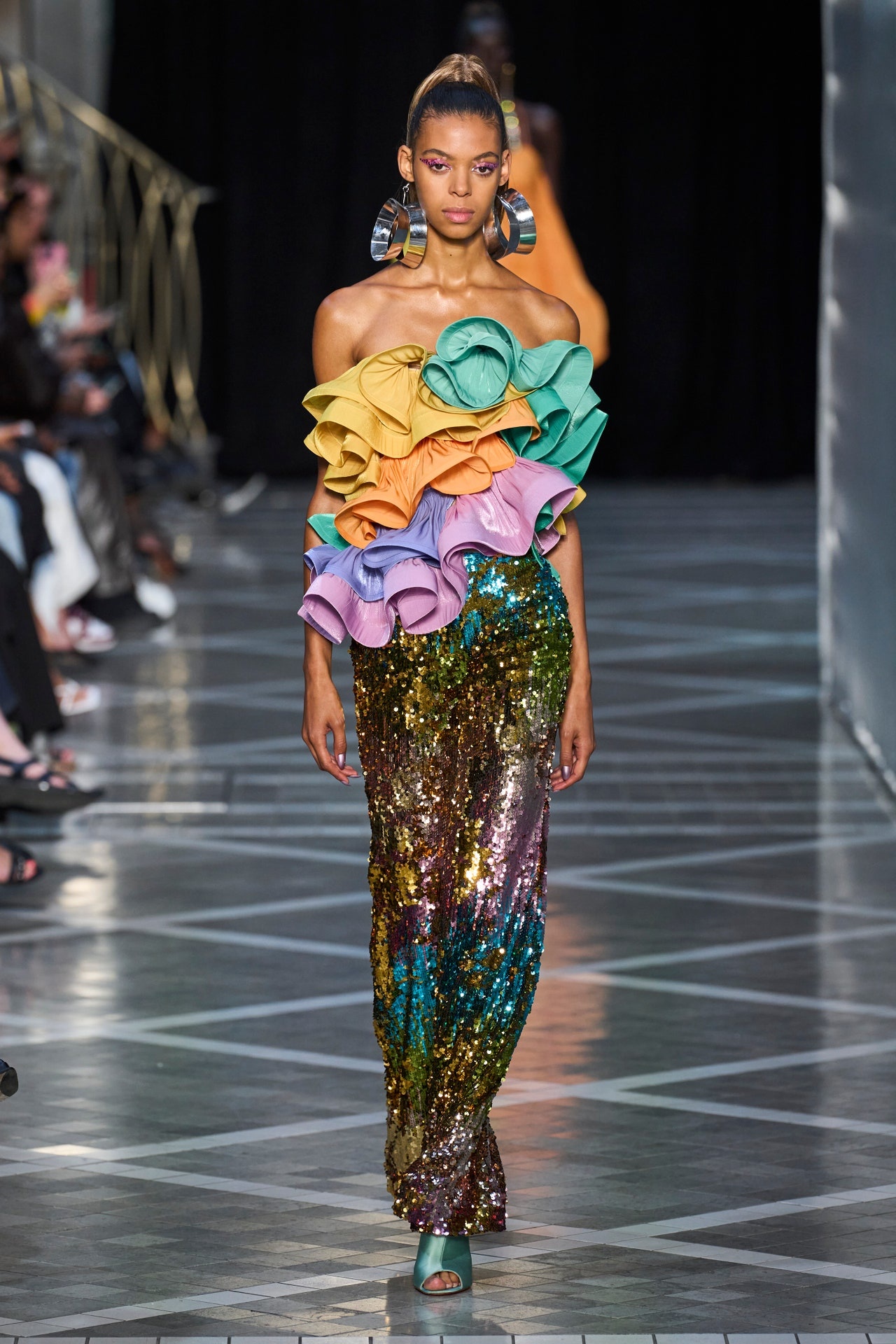
The disco Reference poses images for fashion unlock your styles potential era brought an explosion of sequins, glitter, satin, and vibrant colors. Flared pants, platform shoes, and form-fitting tops were essential for hitting the dance floor. The disco aesthetic was all about extravagance, confidence, and a celebration of nightlife.
- Key Trends: Flared pants, platform shoes, disco dresses, sequins, glitter, satin, bold prints, leisure suits.
- Influences: Disco music, nightlife, a desire for escapism and glamour.
- Keywords: 1970s fashion, disco style, flared pants, platform shoes, bell bottoms, glam rock.
Punk Rock: Anti-Fashion and Rebellion
In stark contrast to disco’s glamour, punk rock emerged as an anti-fashion movement. It was characterized by ripped clothing, safety pins, leather jackets, tartan patterns, and a DIY ethos. Punk was about challenging the status quo and expressing defiance.
- Key Trends: Ripped clothing, leather jackets, safety pins, tartan, band t-shirts, mohawks, DIY fashion.
- Influences: Punk rock music, social and political unrest, a desire for rebellion.
- Keywords: Punk fashion, DIY clothing, anti-fashion, leather jacket, tartan.
The Eighties: Power Dressing and Pop Culture
The 1980s were a decade of excess, ambition, and bold self-expression. Fashion in different decades rarely saw such a pronounced emphasis on power and individual statements as in the 80s.
Power Dressing: Shoulder Pads and Confidence
"Power dressing" became a dominant trend, particularly for women entering the workforce. Exaggerated shoulder pads in blazers and blouses created a strong, authoritative silhouette. Bold colors, statement jewelry, and high-waisted trousers were also key elements.
- Key Trends: Shoulder pads, power suits, bold colors, statement jewelry, high-waisted pants, big hair, aerobics wear.
- Influences: The rise of corporate culture, ambition, pop music, MTV.
- Keywords: 1980s fashion, power dressing, shoulder pads, statement jewelry, big hair, neon colors.
Pop Culture Icons: Music and Movies
The influence of pop music and movies was immense. Music television (MTV) showcased artists with distinctive styles that were widely emulated. Aerobics wear, with its bright colors and spandex, also became a popular casual fashion choice.
The Nineties: Grunge, Minimalism, and Hip-Hop
The 1990s offered a diverse range of styles, from the anti-fashion of grunge to the sleekness of minimalism and the burgeoning influence of hip-hop. Fashion in different decades shows a constant interplay between rebellion and refinement.
Grunge: Anti-Fashion and Authenticity
Emerging from the music scene, grunge fashion was characterized by a deliberately unkempt and casual aesthetic. Flannel shirts, ripped jeans, combat boots, and oversized sweaters were staples. It was a rejection of the overt consumerism and glamour of the 1980s.
- Key Trends: Flannel shirts, ripped jeans, combat boots, oversized sweaters, band t-shirts, a relaxed and unkempt look.
- Influences: Grunge music, a desire for authenticity and anti-consumerism.
- Keywords: 1990s fashion, grunge style, flannel shirt, ripped jeans, combat boots, anti-fashion.
Minimalism: Clean Lines and Understated Elegance
In contrast to grunge, minimalism embraced clean lines, neutral colors, and understated elegance. Slip dresses, tailored trousers, and simple silhouettes defined this chic and sophisticated trend.
Hip-Hop Influence: Streetwear and Boldness
The growing influence of hip-hop culture brought streetwear to the forefront. Baggy jeans, oversized t-shirts, athletic sneakers, and bold logos became synonymous with 90s hip-hop fashion.
The 2000s: Y2K, Pop Culture, and the Digital Age
The dawn of the new millennium, often referred to as the "Y2K" era, brought a blend of futuristic aspirations and a continuation of 90s trends, with fashion in different decades always looking forward.
Y2K Aesthetics: Low-Rise Jeans and Pop Princesses
The Y2K aesthetic was characterized by low-rise jeans, crop tops, velour tracksuits, and a fascination with shiny, metallic fabrics. Pop music icons heavily influenced this era, with their bold and often playful fashion choices.
- Key Trends: Low-rise jeans, crop tops, velour tracksuits, cargo pants, tube tops, butterfly motifs, chunky highlights.
- Influences: Pop music, early internet culture, a futuristic outlook.
- Keywords: 2000s fashion, Y2K style, low-rise jeans, velour tracksuit, pop princess fashion.
The Rise of Fast Fashion and Online Shopping
The 2000s also saw the significant growth of fast fashion and the increasing accessibility of online shopping, making trends more readily available to a wider audience.
The 2010s: Social Media, Athleisure, and Individuality
The 2010s were defined by the pervasive influence of social media, the rise of athleisure, and a greater emphasis on individual style. Fashion in different decades always reflects the prevailing social and technological landscape.
Athleisure: Comfort Meets Style
Athleisure, the trend of wearing athletic clothing in non-athletic settings, became a dominant force. Leggings, sneakers, hoodies, and bomber jackets were integrated into everyday wardrobes, blurring the lines between workout gear and fashion.
- Key Trends: Athleisure, leggings, sneakers, bomber jackets, oversized hoodies, high-waisted everything, influencer style.
- Influences: Social media, fitness culture, comfort and practicality.
- Keywords: 2010s fashion, athleisure, leggings, sneakers, influencer style, normcore.
Social Media’s Impact: Influencers and Trends
Social media platforms like Instagram and Pinterest became powerful drivers of fashion trends. Influencers played a significant role in shaping consumer choices, and the rapid dissemination of styles became commonplace.
The 2020s and Beyond: Sustainability, Inclusivity, and Digital Fashion
As we navigate the 2020s, fashion in different decades is increasingly shaped by a growing awareness of sustainability, a demand for inclusivity, and the emergence of digital fashion.
Sustainable Fashion: A Conscious Choice
There’s a growing movement towards sustainable and ethical fashion. Consumers are increasingly seeking out brands that prioritize eco-friendly materials, fair labor practices, and circular economy principles.
Inclusivity and Diversity: Fashion for All
The fashion industry is becoming more inclusive, embracing diverse body types, ethnicities, genders, and abilities. This shift is reflected in broader sizing options, more representative marketing, and a celebration of individuality.
Digital Fashion and the Metaverse
The rise of the metaverse and digital technologies is opening up new frontiers for fashion. Virtual clothing, digital showrooms, and augmented reality experiences are beginning to shape how we interact with and consume fashion.
Conclusion: A Timeless Reflection of Our Times
The journey through fashion in different decades reveals a fascinating narrative of societal shifts, technological advancements, and the enduring human desire for self-expression. Each era, with its unique styles and trends, offers a powerful reflection of the times in which it existed. Whether we’re drawn to the rebellious spirit of the 60s, the glamorous excess of the 80s, or the conscious choices of today, the evolution of fashion continues to inspire and captivate us.
What are your favorite fashion decades? Which styles have had the biggest impact on your personal wardrobe? Share your thoughts and memories in the comments below!
Frequently Asked Questions (FAQ)
Q1: What is the most significant change in fashion over the decades?
A1: One of the most significant changes is the increasing liberation and diversification of silhouettes, particularly for women, moving away from restrictive garments towards more comfortable and expressive styles. The influence of youth culture and technology has also played a massive role.
Q2: How did major historical events impact fashion in different decades?
A2: Major events like wars (e.g., WWII’s utility fashion) or economic downturns (e.g., the 1930s’ focus on elegance amidst hardship) have profoundly influenced fabric availability, practicality, and the overall mood of fashion.
Q3: Which decade is considered the most influential in fashion history?
A3: While subjective, the 1920s (for its liberation), the 1960s (for its youthquake and rebellion), and the 1980s (for its bold statements) are often cited as highly influential decades that continue to inspire designers today.
Q4: How has technology changed fashion trends?
A4: Technology has revolutionized fashion through mass production, the internet (online shopping, social media trends), and now, digital fashion and the metaverse. It has accelerated trend cycles and made fashion more accessible globally.
Q5: What are the key trends to look out for in current fashion?
A5: Current trends emphasize sustainability, inclusivity, vintage revivals, comfort (athleisure), and the growing influence of digital fashion and personalized styles.
.jpg "Fashion in Different Decades: A Glorious Journey Through Time")

:max_bytes(150000):strip_icc()/100522-pfw-fashion-trends-layered-classics-embed-7b3ed2911c49499296a593651a7c566e.jpg "Fashion in Different Decades: A Glorious Journey Through Time")
