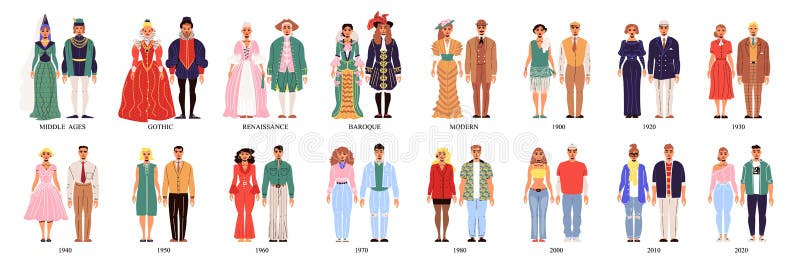
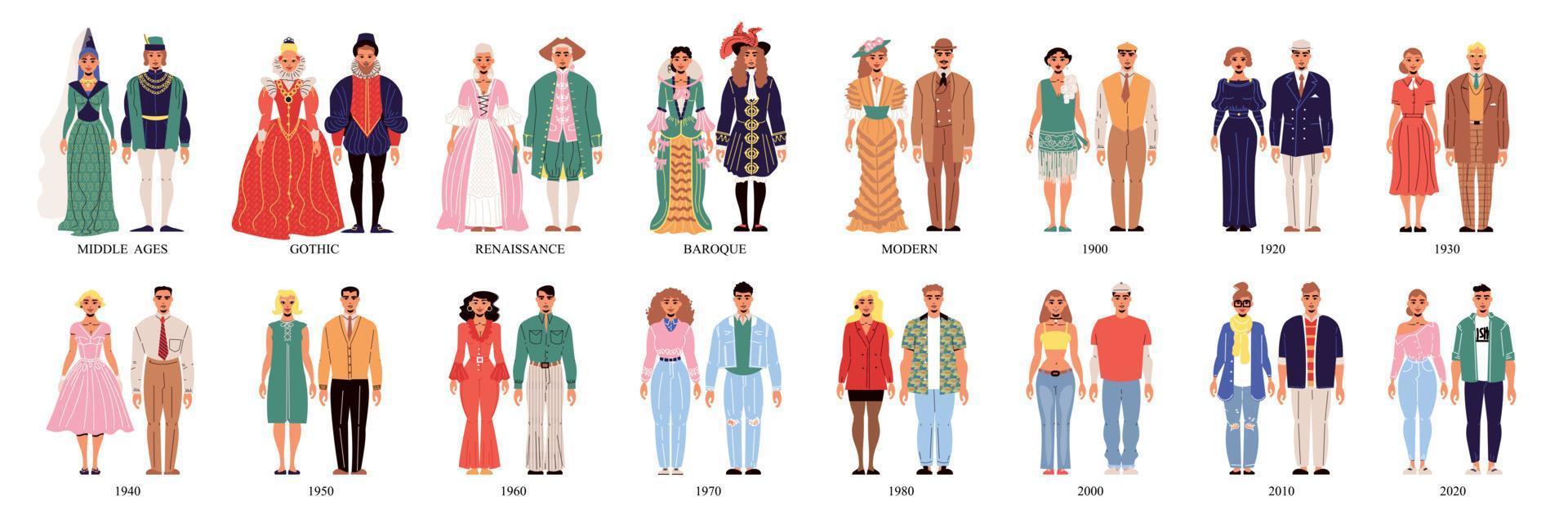
The turn of the 20th century ushered in an era of unparalleled change, and nowhere was this transformation more vividly expressed than in the realm of fashion. From the opulent silhouettes of the Edwardian era to the rebellious grunge of the 90s, the decades fashion timeline 1900 to 2000 is a spectacular chronicle of societal shifts, technological advancements, and evolving cultural ideals. Join us on a captivating journey as we explore the iconic styles, groundbreaking designers, and influential movements that shaped a century of sartorial expression.
The Dawn of a New Century: 1900s – The Edwardian Elegance
The 1900s, often referred to as the Edwardian era, was a time of aristocratic grandeur and strict social codes. Fashion reflected this opulence, characterized by the "S-bend" silhouette, achieved through corsetry that pushed the bust forward and the hips back.
Key Features of 1900s Fashion:
- The Gibson Girl: This idealized image of feminine beauty, popularized by illustrator Charles Dana Gibson, influenced hairstyles and clothing. Think high necklines, cinched waists, and flowing skirts.
- Lavish Fabrics: Silk, lace, velvet, and intricate embroidery were commonplace, showcasing wealth and status.
- The Hobble Skirt: Towards the end of the decade, the hobble skirt emerged, so narrow at the hem that it restricted walking, a peculiar trend reflecting societal constraints.
- Men’s Fashion: Dominated by tailored suits, frock coats, and top hats, emphasizing formality and precision.
Roaring into Revolution: 1910s – The Winds of Change
The 1910s saw the beginnings of a significant shift. While early years retained Edwardian influences, World War I dramatically altered fashion. The need for practicality and the involvement of women in the workforce led to simpler, more functional clothing.
The Impact of War and Innovation:
- The Trapeze Dress: Popularized by designers like Paul Poiret, this looser, less restrictive silhouette offered a welcome departure from corsetry.
- Shorter Skirts: Hemlines gradually rose, a radical change that would continue to evolve.
- Military Influence: Uniforms inspired practical elements like pockets and sturdy fabrics.
- The Rise of Sportswear: As leisure activities gained popularity, comfortable and functional sportswear began to emerge.
The Roaring Twenties: 1920s – The Flapper Frenzy
The Roaring Twenties was an era of unprecedented social and cultural liberation, and fashion was its vibrant, rebellious voice. The decades fashion timeline 1900 to 2000 truly ignites with the iconic flapper style.
Flapper Fashion and Jazz Age Vibes:
- The Dropped Waistline: The defining feature of the flapper dress, this silhouette de-emphasized the natural waist, creating a boyish, androgynous look.
- Shorter Hemlines: Skirts rose to the knee and even above, a shocking display of freedom and modernity.
- Beading and Fringe: Dresses were often adorned with intricate beading and shimmering fringe, perfect for dancing the Charleston.
- Bobbed Hair: The iconic bob haircut became a symbol of independence and rebellion.
- Cloche Hats: These close-fitting hats perfectly complemented the bobbed hairstyle.
- Men’s Fashion: While still formal, suits became slightly more relaxed, with wider lapels and softer fabrics. The fedora became a popular accessory.
The Great Depression and Hollywood Glamour: 1930s – A Tale of Two Styles
The economic downturn of the Great Depression cast a long shadow over the 1930s, but Hollywood’s golden age offered a dazzling escape. Fashion became a blend of austerity and aspirational glamour.
Contrasting Influences:
- The Bias Cut: This innovative cutting technique allowed fabrics to drape elegantly, creating flowing, figure-hugging gowns that epitomized Hollywood sophistication.
- Longer Hemlines: As a reaction to the brevity of the 20s, hemlines returned to mid-calf or ankle length.
- Subdued Palettes: During the Depression, fashion often featured more muted colors and practical fabrics.
- Shoulder Pads: Subtle shoulder padding began to appear, hinting at the stronger silhouettes to come.
- Men’s Fashion: The double-breasted suit gained popularity, offering a more substantial and formal look.
Wartime Utility and Post-War Optimism: 1940s – Resilience and Renewal
The 1940s were defined by World War II, which profoundly impacted fashion. Resourcefulness and practicality were paramount, followed by a joyous embrace of femininity and luxury in the post-war years.
Fashion Under Duress and the "New Look":
- Utility Clothing: Rationing led to simpler designs, shorter skirts, and the use of durable fabrics. Padded shoulders became more pronounced, creating a strong, masculine silhouette.
- The Jodhpurs and Trousers: Women’s adoption of trousers for work and wartime activities became more widespread.
- The "New Look": Christian Dior’s revolutionary "New Look" in 1947 was a dramatic departure, celebrating a return to opulence with cinched waists, full skirts, and rounded shoulders. This marked a significant turning point in the decades fashion timeline 1900 to 2000.
- Men’s Fashion: The Zoot suit, with its exaggerated shoulders and high-waisted trousers, became a symbol of rebellion for some, while military-inspired suits remained prevalent.
The Fabulous Fifties: 1950s – Conformity and Rebellion
The 1950s was a decade of apparent conformity, with suburban ideals and traditional gender roles influencing fashion. However, beneath the surface, the seeds of youth rebellion were being sown.
The Dominance of Femininity and the Rise of Youth Culture:
- The Full Skirt and Cinched Waist: The enduring popularity of Dior’s "New Look" continued, with full skirts, nipped-in waists, and elegant blouses.
- Pencil Skirts: A more streamlined alternative to the full skirt, the pencil skirt offered a sophisticated and form-fitting silhouette.
- The Rise of Teen Fashion: The emergence of rock and roll culture gave birth to distinct youth styles, including poodle skirts, saddle shoes, and leather jackets.
- Men’s Fashion: The grey flannel suit became synonymous with the corporate world, while casual wear like jeans and t-shirts gained traction with the younger generation.
The Swinging Sixties: 1960s – Revolution and Youthquake
The 1960s was a period of immense social upheaval and cultural revolution, and fashion became a powerful tool for self-expression and rebellion. The decades fashion timeline 1900 to 2000 truly swings into a new era.
Mod, Hippie, and the Space Age:
- The Mini Skirt: Mary Quant’s iconic mini skirt became a symbol of liberation and youth culture.
- Mod Fashion: Characterized by bold geometric prints, bright colors, and clean lines, Mod style embodied the youthful energy of the era.
- Hippie Movement: The latter half of the decade saw the rise of the hippie counterculture, with flowing fabrics, tie-dye, bell-bottom jeans, and natural fibers.
- Space Age Fashion: Designers like André Courrèges and Paco Rabanne experimented with futuristic materials like plastic and metal, creating avant-garde designs.
- Men’s Fashion: Slim-fit suits, turtlenecks, and flamboyant patterns became popular, reflecting the changing social landscape.
The Disco Decade and Punk Rock: 1970s – Individuality and Expression
The 1970s was a melting pot of diverse styles, from the glittering allure of disco to the raw energy of punk rock. Individuality and self-expression were paramount.
Disco Fever and Punk Rebellion:
- Disco Fashion: Think shimmering fabrics, flared trousers, platform shoes, and plunging necklines. The Saturday Night Fever aesthetic defined the era’s glamour.
- Bohemian Style: Continuing from the late 60s, bohemian influences remained strong with maxi dresses, peasant blouses, and natural textures.
- Punk Rock: A reaction against mainstream fashion, punk embraced ripped clothing, safety pins, leather, and DIY aesthetics.
- Androgynous Fashion: The lines between men’s and women’s fashion blurred further, with unisex clothing gaining popularity.
- Men’s Fashion: Wide lapels, leisure suits, and bold prints were common.
The Power Dressing Era and Pop Culture: 1980s – Excess and Ambition
The 1980s was a decade of bold statements, excess, and ambition, reflected in its distinctive fashion. Power dressing and the influence of pop culture were defining characteristics.
Shoulder Pads, Neon, and Pop Icons:
- Power Dressing: The iconic shoulder pad dominated women’s fashion, creating a strong, assertive silhouette for the workplace.
- Neon Colors and Bold Prints: Bright, vibrant colors and geometric patterns were everywhere, from activewear to evening gowns.
- Athleisure: The rise of aerobics and fitness culture led to the popularity of tracksuits, leggings, and sneakers as everyday wear.
- Pop Culture Influence: Music icons like Madonna and Michael Jackson heavily influenced fashion trends, popularizing ripped jeans, lace, and flamboyant stage costumes.
- Men’s Fashion: The preppy look, with polo shirts and chinos, coexisted with more casual styles like acid-washed jeans and graphic t-shirts.
The Grunge Revolution and Minimalism: 1990s – Authenticity and Simplicity
The 1990s saw a significant shift away from the excess of the 80s, with grunge and minimalism emerging as dominant forces. Authenticity and a more relaxed aesthetic took center stage.
From Flannel to Fashion Houses:
- Grunge: Born from the Seattle music scene, grunge fashion embraced flannel shirts, ripped jeans, combat boots, and oversized sweaters, emphasizing a laid-back, anti-establishment vibe.
- Minimalism: Clean lines, neutral color palettes, and understated elegance characterized the minimalist movement, championed by designers like Calvin Klein and Jil Sander.
- Hip-Hop Fashion: Baggy jeans, oversized t-shirts, sportswear brands, and statement jewelry became integral to hip-hop style, influencing mainstream fashion.
- The Rise of Supermodels: The era saw the rise of supermodels like Naomi Campbell, Kate Moss, and Cindy Crawford, who became fashion icons in their own right.
- Men’s Fashion: Casual wear, including baggy jeans, graphic tees, and sportswear, dominated, while the minimalist aesthetic also found its footing.
A Century of Style: The Enduring Legacy
The decades fashion timeline 1900 to 2000 is a testament to the dynamic and ever-evolving nature of human creativity. Each decade offered a unique reflection of its time, influenced by social, political, and technological shifts. From the restrictive elegance of the early 1900s to the diverse and expressive styles of the late 20th century, fashion has consistently served as a powerful form of communication and self-identity. This incredible journey through a century of style continues to inspire designers and fashion enthusiasts alike, proving that fashion is not just about clothing, but about capturing the spirit of an era.
Frequently Asked Questions About Decades Fashion Timeline 1900 to 2000
Q1: What was the most significant fashion trend of the 20th century?
A1: It’s difficult to pinpoint just one, as each decade brought revolutionary changes. However, the liberation of women’s fashion, marked by the shorter hemlines of the 1920s and the introduction of trousers for everyday wear, had a profound and lasting impact.
Q2: How did World War I and II affect fashion trends?
A2: Both wars necessitated practicality and resourcefulness. Rationing led to simpler designs, shorter skirts, and the use of durable fabrics. The post-war periods, however, often saw a return to more luxurious and feminine styles as a form of celebration and escapism.
Q3: What is the difference Fashion unveiling the exquisite future of style between Edwardian and Victorian fashion?
A3: While both eras emphasized formality, Edwardian fashion (roughly 1901-1910) saw a move away from the extreme corsetry of the Victorian era towards the "S-bend" silhouette. Edwardian styles were generally lighter and less ornate than their Victorian predecessors.
Q4: Which decade is considered the most influential in terms of youth fashion?
A4: The 1960s, with the rise of Mod culture and the mini skirt, and the 1990s, with the emergence of grunge and hip-hop styles, are often cited as highly influential decades for youth fashion.
Q5: How has technology impacted fashion throughout the 20th century?
A5: Technological advancements, such as the development of new synthetic fabrics, mass production techniques, and later, the internet and social media, have all significantly shaped how fashion is created, distributed, and consumed.