Are you captivated by the glitz and glamour of the runway, the intricate details of a perfectly tailored garment, or the thrill of bringing your unique aesthetic to life? If the world of fashion ignites your passion, then embarking on a course on fashion design online is your golden ticket to transforming that dream into a dazzling reality! Forget the limitations of traditional schooling; the digital realm offers an exhilarating and accessible pathway to mastering the art and business of fashion. This comprehensive guide will illuminate the incredible opportunities awaiting you, from understanding the fundamentals of sketching and pattern making to navigating the exciting landscape of sustainable fashion and digital design.
Why Choose a Course on Fashion Design Online?
The allure of a course on fashion design online lies in its unparalleled flexibility and accessibility. Gone are the days when aspiring designers were tethered to expensive, geographically bound institutions. Today, a world-class fashion education is literally at your fingertips. Whether you’re juggling a full-time job, caring for a family, or simply prefer the comfort of your own creative space, an online course empowers you to learn at your own pace, on your own schedule. This adaptability is a game-changer, allowing you to immerse yourself in the vibrant world of fashion without sacrificing your existing commitments.
Furthermore, the digital landscape has democratized access to expertise. Renowned fashion schools and industry professionals are now offering their insights and curricula online, providing you with an education that rivals, and in some cases, surpasses, traditional programs. You’ll gain access to cutting-edge techniques, learn from seasoned designers, and connect with a global community of like-minded individuals. This is not just about acquiring skills; it’s about joining a dynamic and ever-evolving industry.
Unveiling the Curriculum: What to Expect from a Fashion Design Course Online
A robust course on fashion design online will typically cover a comprehensive range of topics, equipping you with the foundational knowledge and practical skills necessary to thrive. While specific modules may vary between institutions, here’s a breakdown of the core areas you can expect to explore:
H3: The Art of the Sketch: Fashion Illustration and Drawing
At the heart of fashion design lies the ability to translate your ideas from imagination to paper. A good online course will delve deep into fashion illustration, teaching you how to:
- Master the Human Figure: Learn the proportions and anatomy crucial for creating believable and dynamic fashion sketches. You’ll explore different body types and poses to showcase your designs effectively.
- Develop Your Sketching Style: Discover various techniques for rendering fabric textures, drapes, and movement. From quick gesture sketches to detailed renderings, you’ll hone your personal artistic voice.
- Utilize Digital Tools: Many modern courses will introduce you to digital illustration software like Adobe Photoshop and Illustrator, allowing you to create polished and professional fashion flats and mood boards.
H3: From Concept to Creation: Pattern Making and Garment Construction
This is where your designs begin to take tangible form. Expect to learn the intricate art of pattern making and garment construction, including:
- Understanding Flat Pattern Drafting: Learn how to create two-dimensional patterns from basic measurements, which will then be used to cut fabric. This involves mastering techniques like dart manipulation, seam allowances, and grading.
- Draping Techniques: Explore the art of draping fabric directly onto a mannequin to create three-dimensional forms and unique silhouettes. This hands-on approach allows for spontaneous creativity and the development of organic shapes.
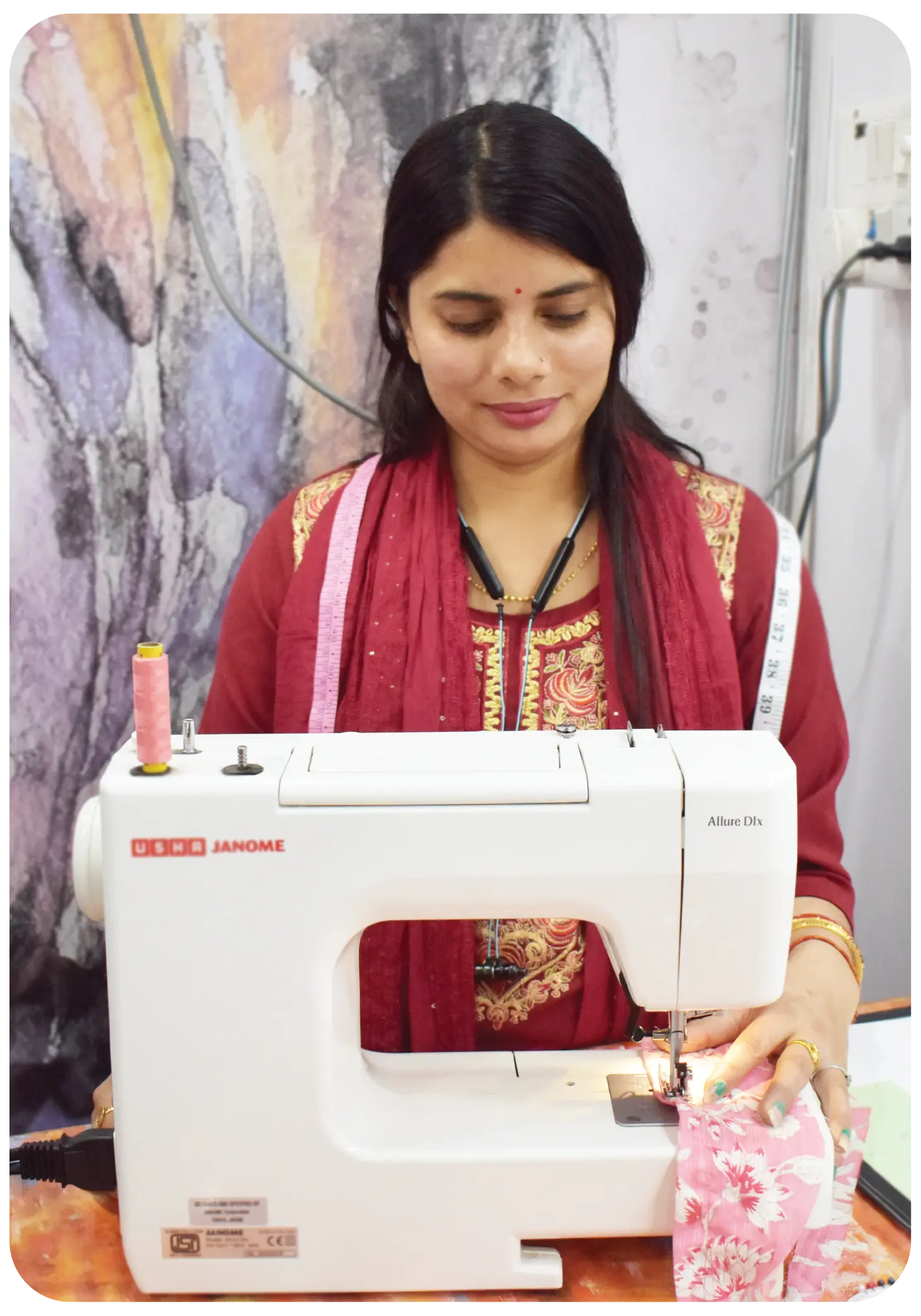
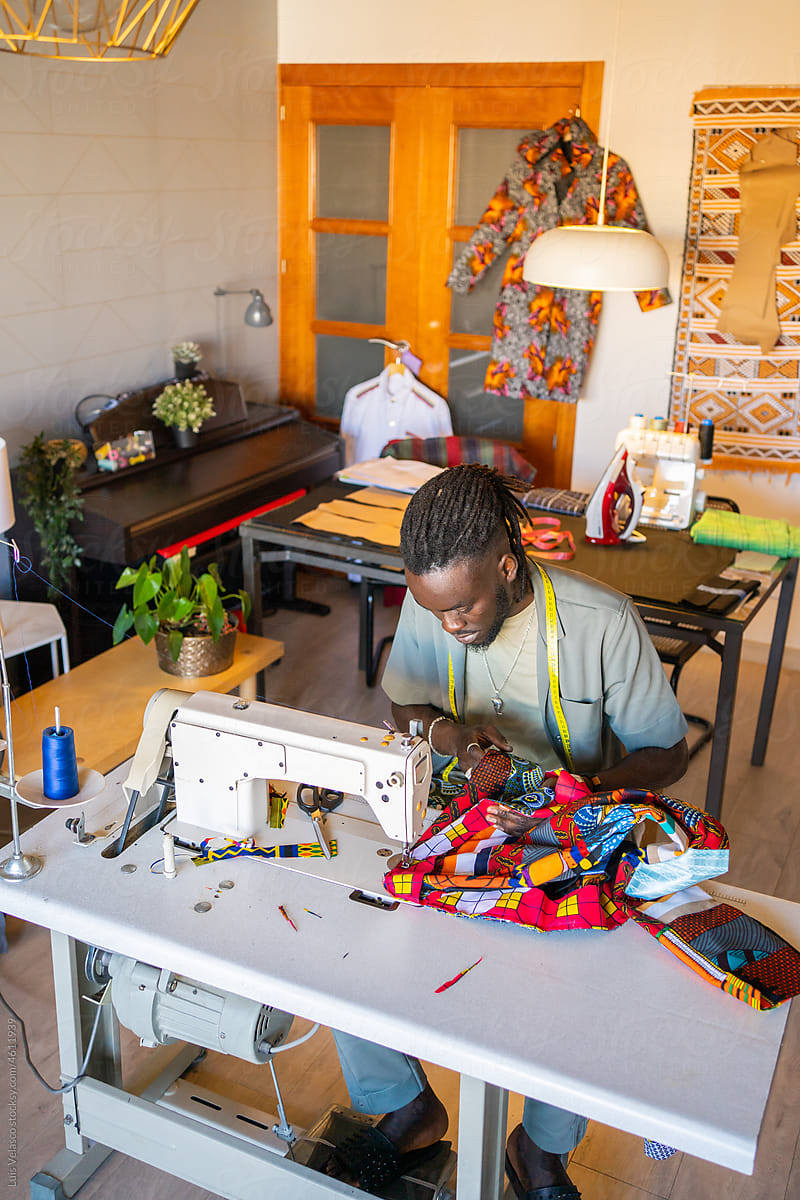
- Sewing Fundamentals: While not all online courses will involve hands-on sewing, many will provide comprehensive instruction on sewing machine operation, stitch types, fabric handling, and finishing techniques. You’ll learn how to bring your patterns to life with precision and skill.
- Understanding Garment Construction Principles: Gain insights into the structural integrity of garments, how different fabrics behave, and the best methods for assembling various garment types.
H3: The Fabric of Fashion: Textile Science and Material Selection
The choice of fabric is paramount in fashion design, influencing everything from drape and feel to durability and sustainability. An online course will educate you on:
- Fiber Types and Properties: Understand the characteristics of natural fibers (cotton, wool, silk, linen) and synthetic fibers (polyester, nylon, rayon), and how they impact garment performance.
- Weaves and Knits: Learn to differentiate between various fabric constructions and their aesthetic and functional implications.
- Dyeing and Finishing Processes: Gain knowledge about how fabrics are colored and treated to achieve specific looks and textures.
- Sustainable Textiles: A crucial aspect of modern fashion, you’ll learn about eco-friendly materials, ethical sourcing, and the environmental impact of textile production.
H3: The Visionary’s Palette: Color Theory and Trend Forecasting
Great designers have an innate understanding of color and an eye for what’s next. Your online course will likely cover:
- Color Harmony and Psychology: Master the principles of color theory to create impactful and aesthetically pleasing color palettes for your collections. Understand how colors evoke emotions and influence perception.
- Trend Analysis: Learn how to research and interpret fashion trends, from runway shows and street style to cultural shifts and economic indicators. This skill is vital for creating relevant and commercially viable designs.
- Mood Board Creation: Develop the ability to curate visual narratives that communicate the essence and inspiration behind your collections.
H3: Beyond the Sketchbook: Digital Fashion Design and Technology
The fashion industry is increasingly embracing technology, and a forward-thinking online course will equip you with these essential digital skills:
- 3D Fashion Design Software: Explore platforms like CLO 3D or Browzwear, which allow you to create realistic 3D garment simulations, reducing the need for physical samples and accelerating the design process.
- CAD (Computer-Aided Design) for Fashion: Learn to use software for creating technical drawings, pattern grading, and production planning.
- Virtual Prototyping and Fitting: Understand how digital tools can be used for virtual fittings and to identify potential design flaws before physical samples are made.
H3: The Business of Style: Fashion Marketing and Merchandising
Design is only one piece of the puzzle. To succeed, you need to understand the business side of fashion. Your online course might include:
- Brand Development: Learn how to create a strong brand identity, define your target audience, and communicate your brand’s unique story.
- Fashion Marketing Strategies: Explore digital marketing, social media engagement, public relations, and visual merchandising techniques to promote your designs.
- Understanding the Fashion Market: Gain insights into retail, wholesale, e-commerce, and the global fashion supply chain.
- Sustainability and Ethical Practices: A growing emphasis is placed on responsible fashion, covering ethical sourcing, fair labor practices, and circular economy principles.
Choosing the Right Online Course for You
With a plethora of options available, selecting the ideal course on fashion design online requires careful consideration. Here are some key factors to keep Admin in mind:
H4: Accreditation and Reputation
Look for courses offered by reputable institutions or industry professionals with a proven track record. Check for accreditation if available, as this can add significant value to your qualification.
H4: Curriculum Depth and Specialization
Does the course offer a broad foundation, or does it allow for specialization in areas like haute couture, menswear, childrenswear, or sustainable fashion? Choose a program that aligns with your specific interests and career aspirations.
H4: Instructor Expertise and Support
Research the instructors. Are they experienced fashion designers, industry veterans, or academics with relevant expertise? Look for courses that offer personalized feedback, Q&A sessions, and opportunities for interaction.
H4: Learning Platform and Resources
Consider the user-friendliness of the learning platform. Are the video lectures engaging? Are there downloadable resources, assignments, and projects? A well-designed platform enhances the learning experience.
H4: Community and Networking Opportunities
Many online courses foster online communities where students can connect, share their work, and receive peer feedback. This can be invaluable for motivation and networking.
H4: Cost and Value
Online courses vary significantly in price. Compare the tuition fees with the course content, instructor expertise, and potential career outcomes to determine the best value for your investment.
The Power of Online Learning for Aspiring Designers
The beauty of a course on fashion design online is its ability to empower individuals from all walks of life. It breaks down geographical barriers and financial constraints, opening doors for those who might otherwise be excluded from traditional fashion education. This democratization of learning fosters a more diverse and innovative fashion landscape.
Moreover, the skills you acquire are highly transferable. Whether you dream of launching your own label, working for a major fashion house, becoming a stylist, or even venturing into the burgeoning world of digital fashion, the foundational knowledge gained from a comprehensive online course will serve as a powerful launchpad. The ability to adapt to new technologies, understand market trends, and communicate your creative vision effectively are skills that are in high demand across the industry.
Embracing the Festive Spirit of Fashion Creation
Imagine the joy of sketching a whimsical design, the satisfaction of seeing your pattern come to life, and the thrill of presenting your own unique collection. A course on fashion design online allows you to tap into this creative energy and celebrate the festive spirit of fashion creation from the comfort of your home. It’s an opportunity to experiment, to push boundaries, and to discover your unique artistic voice. The world of fashion is a vibrant tapestry, and with the right online education, you can become a master weaver, adding your own brilliant threads to its ever-evolving design.
Frequently Asked Questions About Online Fashion Design Courses
Q1: Is a course on fashion design online as valuable as a traditional degree?
While a traditional degree offers a structured, in-person experience, a well-designed online course can provide comparable knowledge and practical skills. The value often depends on the reputation of the institution, the quality of the curriculum, and your dedication to the learning process. Many online programs offer certificates or diplomas that are highly respected in the industry.
Q2: What are the prerequisites for an online fashion design course?
Generally, there are no strict academic prerequisites for most introductory online fashion design courses. A passion for fashion, creativity, and a willingness to learn are the most important requirements. Some advanced courses might have specific prerequisites related to foundational knowledge.
Q3: Will I need special software or equipment for an online fashion design course?
This varies. Some courses may require you to have a sewing machine and basic sewing supplies if they include practical construction elements. For digital design modules, you might need access to specific software like Adobe Creative Suite or 3D design programs. Many courses will provide guidance on recommended software and where to access it, sometimes with student discounts.
Q4: How much time commitment is involved in an online fashion design course?
The time commitment varies greatly depending on the course structure and your learning pace. Some courses are self-paced, while others have set schedules with weekly modules and assignments. Expect to dedicate several hours per week to lectures, assignments, and personal projects.
Q5: Can I build a portfolio from an online fashion design course?
Absolutely! Most online fashion design courses incorporate projects and assignments that are designed to help you build a strong portfolio. These projects often simulate real-world design challenges, allowing you to showcase your skills in illustration, pattern making, and conceptualization.
Q6: What career paths can I pursue after completing a course on fashion design online?
The possibilities are vast! You could become a fashion designer, pattern maker, technical designer, fashion illustrator, stylist, merchandiser, fashion marketer, or even start your own independent fashion label. The skills are transferable to various roles within the fashion industry and beyond.
Conclusion: Your Fashion Journey Starts Now!
The world of fashion is a captivating realm of creativity, innovation, and self-expression. Embarking on a course on fashion design online is a powerful and accessible way to immerse yourself in this dynamic industry. With the right guidance and your own unyielding passion, you can unlock your creative potential, hone your skills, and begin crafting the future of fashion. So, take that first step, embrace the learning journey, and let your design dreams take flight! Share your thoughts and aspirations in the comments below – we’d love to hear what inspires you to design!