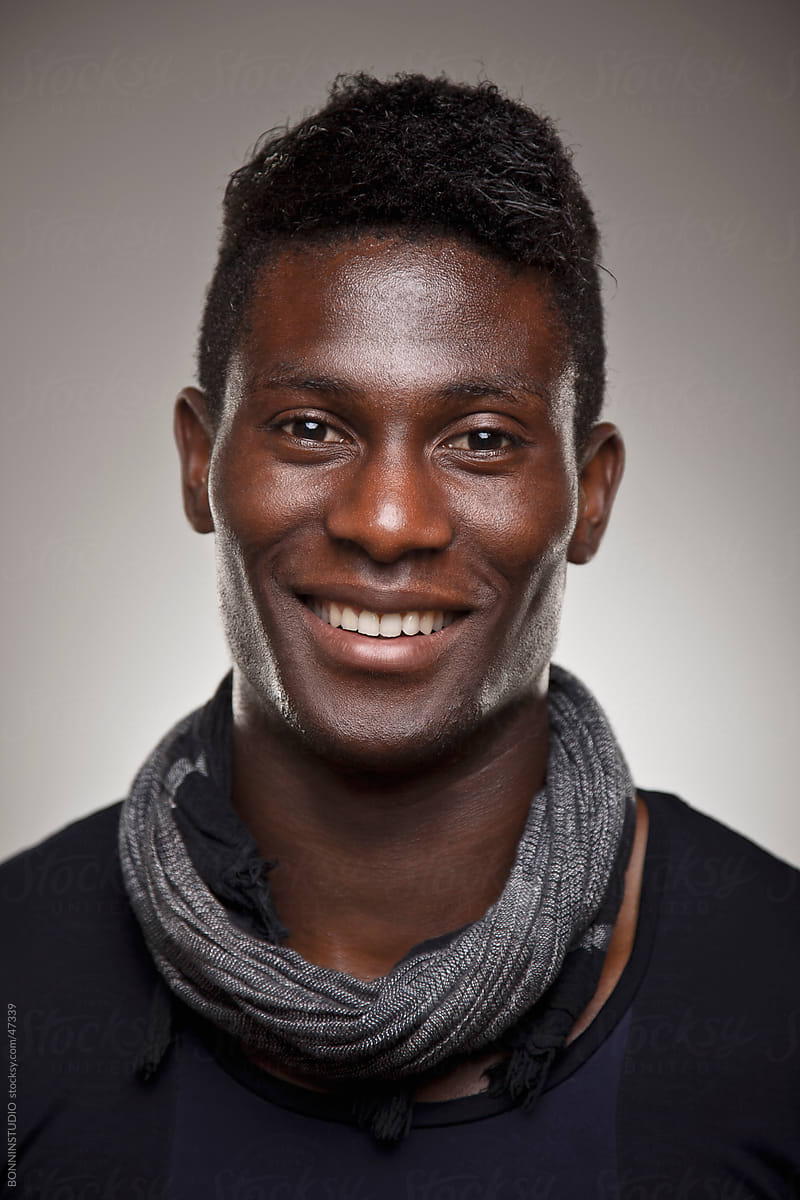
The tapestry of fashion is rich and vibrant, and woven deeply within its threads is the extraordinary story of black fashion over decades. Far from being a monolithic entity, black fashion is a dynamic, ever-evolving force, a powerful testament to creativity, resilience, and cultural expression. It’s a narrative that transcends mere clothing, speaking volumes about identity, social change, and the enduring spirit of Black communities worldwide. This article will embark on a joyous journey through the decades, celebrating the incredible impact and transformative power of black fashion over decades.
The Enduring Legacy: Early Influences and the Dawn of Distinctive Style
Before we delve into specific decades, it’s crucial to acknowledge the foundational influences that shaped early black fashion. Long before the term "black fashion" gained widespread recognition, African diasporic communities were infusing their clothing with rich cultural heritage. From the intricate beadwork and vibrant textiles of West African traditions to the resourceful repurposing of materials born out of necessity, a distinct aesthetic was being forged.
- African Roots: The vibrant colors, geometric patterns, and symbolic motifs found in traditional African attire laid an indelible groundwork. These elements, carried across the Atlantic, continued to inspire and inform the sartorial choices of enslaved people and their descendants.
- Resilience and Resourcefulness: In the face of immense hardship, Black communities demonstrated remarkable ingenuity. Clothing was often handmade, mended, and passed down, imbued with personal stories and cultural significance. This inherent resourcefulness became a hallmark of black fashion, a testament to making beauty and identity bloom even in barren soil.
- Early Expressions of Identity: Even within restrictive societal norms, Black individuals found ways to express their individuality and pride through their clothing. Whether it was a carefully chosen ribbon, a well-pressed suit, or a distinctive hairstyle, these small acts of self-expression were powerful statements.
The Roaring Twenties & Thirties: Jazz Age Glamour and the Harlem Renaissance
The Jazz Age was a period of unprecedented cultural blossoming for Black Americans, and fashion was a vital component of this vibrant era. The Harlem Renaissance, in particular, saw a surge of artistic and intellectual creativity, which was mirrored in the bold and sophisticated styles emerging from the community.
- Flapper Flair with a Black Twist: While the flapper style – characterized by dropped waists, shorter hemlines, and bobbed hair – was a global phenomenon, Black women embraced it with their own unique flair. Think elegant beaded dresses, luxurious furs, and statement jewelry that exuded confidence and a newfound sense of freedom.
- The Sharp Silhouette of the Dapper Dans: Black men of the era were not to be outdone. The "dapper" look, with impeccably tailored suits, fedoras, and polished shoes, was a powerful statement of respectability and sophistication. Figures like Duke Ellington and Cab Calloway epitomized this stylish swagger, influencing countless others.
- Cultural Pride in Fabric: Beyond Western trends, there was a conscious effort to incorporate African-inspired elements. Vibrant prints and rich textiles, even if subtly integrated, served as a quiet but potent assertion of cultural heritage.
The Forties & Fifties: Wartime Pragmatism and the Rise of the Icons
The mid-20th century brought about significant societal shifts, including the impact of World War II and the burgeoning Civil Rights Movement. These decades saw black fashion over decades adapt to new realities while simultaneously laying the groundwork for future style icons.
- Wartime Ingenuity: Rationing and wartime restrictions influenced fashion globally, and Black communities were no exception. Resourcefulness remained key, with women expertly tailoring and repurposing garments. Practicality and durability became important, but never at the expense of style.
- The Golden Age of Hollywood and Beyond: The rise of Black stars in Hollywood and the growing influence of Black musicians and performers began to shape mainstream fashion. Icons like Lena Horne and Dorothy Dandridge brought glamour and sophistication to the screen, inspiring audiences with their elegant gowns and impeccable styling.
- The Birth of the Diva: Figures like Ella Fitzgerald and Billie Holiday, with their distinct personal styles, demonstrated that fashion could be an extension of personality and artistry. Their looks were not just about trends; they were about embodying a powerful presence.
The Swinging Sixties: The Civil Rights Movement and the Power of Black Identity
The 1960s were a pivotal decade for civil rights and Black liberation, and fashion became a potent tool for expressing political and cultural identity. This era saw a deliberate shift towards celebrating Blackness in all its forms.
- The Power of the Afro: The Afro hairstyle emerged as a powerful symbol of Black pride and a rejection of Eurocentric beauty standards. It was a bold, natural statement that celebrated Black hair in its unadulterated glory.
- Afrocentricity and Bold Prints: Designers and individuals began to embrace African-inspired prints and vibrant colors with renewed fervor. Kente cloth, Ankara prints, and other traditional textiles were incorporated into everyday wear and high fashion, signifying a deep connection to African heritage.
- The Mod Influence with a Black Edge: While the Mod movement was influential, Black artists and musicians brought their own unique interpretations. Think sharp suits, miniskirts, and bold patterns, all infused with an undeniable swagger and individuality.
- Political Statements Through Dress: Fashion became a visual language for the Civil Rights Movement. Simple, dignified clothing often conveyed a message of seriousness and purpose, while vibrant colors and African-inspired attire expressed cultural pride and solidarity.
The Seventies: Disco Fever, Funk, and the Embrace of Individuality
The 1970s were a decade of liberation and self-expression, and black fashion over decades truly shone with a dazzling array of styles. Disco, funk, and soul music fueled a fashion revolution characterized by bold colors, flamboyant silhouettes, and an unapologetic embrace of individuality.
- Disco Glamour: Think shimmering fabrics, bell-bottom pants, platform shoes, and statement jewelry. Black artists like Donna Summer and Diana Ross became disco queens, their wardrobes as iconic as their music.
- The Funk Aesthetic: The funk scene was all about vibrant colors, intricate patterns, and a relaxed yet stylish vibe. Think wide lapels, bold shirts, and an emphasis on comfort and movement. James Brown and Parliament-Funkadelic were pioneers in this expressive sartorial landscape.
- The Rise of Blaxploitation Style: The Blaxploitation film genre, while controversial, had a significant impact on fashion. Characters often sported stylish leather jackets, wide-collared shirts, and cool sunglasses, contributing to a rugged yet fashionable aesthetic.
- Afrocentricity Continues to Flourish: The celebration of African heritage continued, with flowing caftans, dashikis, and vibrant prints remaining popular. This was a conscious embrace of cultural roots and a rejection of assimilationist pressures.
The Eighties: Hip-Hop’s Ascendancy and the Power of Street Style
The 1980s witnessed the explosive rise of hip-hop culture, which fundamentally reshaped the fashion landscape. Street style became a dominant force, and black fashion over decades found a powerful new voice in the vibrant, rebellious, and influential world of hip-hop.
- The Birth of Hip-Hop Fashion: Baggy jeans, oversized t-shirts, athletic sneakers (especially Adidas and Nike), gold chains, and baseball caps became the uniform of a generation. This was about comfort, individuality, and a rejection of mainstream fashion norms.
- Logomania and Brand Power: Brands became status symbols, and logos were proudly displayed. Hip-hop artists were instrumental in popularizing specific brands, turning them into cultural touchstones.
- The Influence of Music Videos: The burgeoning music video industry provided a visual platform for hip-hop fashion, broadcasting these styles to a global audience and solidifying their influence. Run-DMC, LL Cool J, and Salt-N-Pepa were fashion trailblazers.
- Power Dressing with a Black Sensibility: Beyond hip-hop, Black professionals and entrepreneurs embraced power dressing, but with their own unique flair. Think sharp suits, bold colors, and statement accessories that conveyed confidence and ambition.
The Nineties: Grunge, Minimalism, and the Diversification of Black Style
The 1990s presented a more diverse and sometimes contradictory fashion landscape. While grunge and minimalism had their moments, black fashion over decades continued to evolve, reflecting a growing confidence and a wider range of influences.
- Hip-Hop’s Continued Dominance: Hip-hop fashion remained a powerful force, evolving with new trends like Timberland boots, puffer jackets, and more tailored streetwear. Artists like Tupac Shakur and Notorious B.I.G. had a profound impact.
- The Rise of the Supermodel: Black supermodels like Naomi Campbell, Tyra Banks, and Iman became global fashion icons, gracing runways and magazine covers and challenging traditional beauty standards.
- Minimalism and Chic: A more understated and sophisticated aesthetic also emerged, with Black designers and individuals embracing clean lines, neutral palettes, and high-quality fabrics.
- Afrocentricity in High Fashion: Designers began to incorporate Afrocentric elements into haute couture, bringing traditional African aesthetics to a more global and luxurious stage.
The 2000s and Beyond: Digital Influence, Global Reach, and the Empowerment of Black Designers
The 21st century has seen an unprecedented acceleration of trends and a democratization of fashion, largely driven by the internet and social media. Black fashion over decades has entered a new era of global influence and empowered self-expression.
- The Digital Age of Style: Social media platforms have become powerful tools for discovering and disseminating black fashion trends. Bloggers, influencers, and everyday individuals are showcasing their unique styles, creating a vibrant online community.
- The Empowerment of Black Designers: A new generation of Black designers has emerged, gaining international recognition and challenging the established fashion industry. From Virgil Abloh’s groundbreaking work at Louis Vuitton to the independent success of countless others, their voices are shaping the future of fashion.
- Celebrity Influence and Athleisure: Celebrities continue to be major style influencers, with the rise of athleisure blurring the lines between sportswear and everyday fashion. Black artists and athletes are at the forefront of this trend.
- A Global Tapestry of Style: Black fashion is no longer confined to specific regions. It’s a global phenomenon, with influences from the African continent, the Caribbean, and Black communities across the diaspora converging to create a rich and diverse aesthetic.
- Conscious Consumption and Sustainability: There’s a growing awareness of ethical and sustainable fashion practices within the Black community, with a focus on supporting Black-owned businesses and making more conscious choices.
The Enduring Power of Black Fashion Over Decades
The journey through black fashion over decades reveals a story of incredible creativity, resilience, and unwavering self-expression. It’s a narrative that has consistently pushed boundaries, challenged norms, and celebrated identity. From the subtle assertions of dignity in the face of oppression to the flamboyant declarations of joy and pride, black fashion has always been more than just clothing; it’s a powerful form of cultural communication and a testament to the enduring spirit of Black people.
The influence of black fashion on the global style landscape is undeniable and continues to grow. It’s a vibrant, dynamic force that inspires, empowers, and consistently reinvents itself. As we look to the future, one thing is certain: the powerful legacy of black fashion over decades will continue to shape and enrich the world of style for generations to come.
Frequently Asked Questions (FAQ)
Q1: What are some of the earliest influences on black fashion?
A1: Early black fashion was heavily influenced by traditional African textiles, vibrant colors, geometric patterns, and the resourceful repurposing of materials due to historical circumstances.
Q2: How did the Civil Rights Movement impact black fashion?
A2: The Civil Rights Movement saw fashion become a tool for expressing identity and pride. The Afro hairstyle became a symbol of Black liberation, and African-inspired prints and colors were embraced to assert cultural heritage.
Q3: What is the significance of hip-hop fashion?
A3: Hip-hop Autumn discount fashion savvy style steals await fashion, emerging in the 1980s, revolutionized streetwear with baggy clothing, athletic wear, and brand emphasis, becoming a powerful voice for youth culture and Black identity.
Q4: How has the internet influenced black fashion?
A4: The internet and social media have democratized black fashion, allowing for the rapid dissemination of trends, the rise of influencers, and the global reach of Black designers and styles.
Q5: What are some key characteristics of contemporary black fashion?
A5: Contemporary black fashion is characterized by its diversity, global influences, the empowerment of Black designers, a focus on sustainability, and the continued evolution of streetwear and high fashion aesthetics.